
Why Do Cats Instinctively Use Litter Boxes?

Catster operates on reader support. When you make purchases through links on our site, we may receive an affiliate commission at no extra cost to you. Find out more.
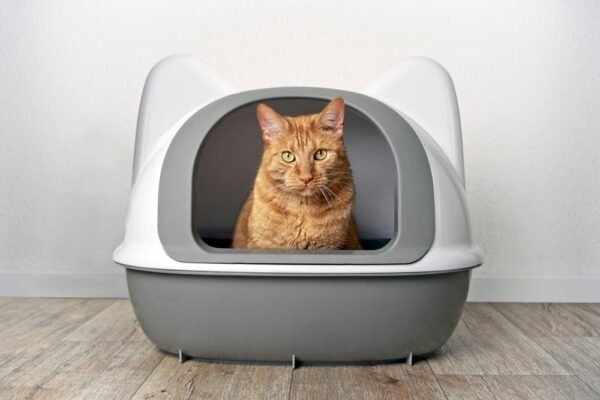
Have you ever marveled at how your cat instinctively knows what to do when it encounters a litter box? Unlike dogs, cats appear to possess an innate understanding of their bathroom needs. But what drives this behavior? Why do cats require a litter box?
Understanding Feline Instincts
The answer lies in their instincts. Despite being fierce hunters, cats are naturally inclined to conceal their scent from larger predators. In the wild, they cover their waste using dirt, sand, or leaves. Domesticated cats, however, conveniently utilize a litter box for this purpose.
Unique Reasons for Litter Box Use
There are specific reasons why cats favor litter boxes while other animals might not, especially when compared to dogs. Generally, dogs tend to be larger and more dominant, marking their territory openly with urine or feces. In contrast, cats prefer to remain discreet, hiding their presence.

While kittens may impress you by quickly grasping litter training, it’s not a guarantee for every cat. Nonetheless, most cats are inherently wired to bury their waste.
Predators and Safety Concerns
In nature, cats face numerous threats, including dogs, coyotes, and larger birds of prey. The scent of their waste can attract these predators, putting them at risk. Unlike cats, many animals don’t exhibit the same level of concern for concealment.
Most domestic cats, of course, are safe from such dangers and often prefer lounging in sunny spots rather than worrying about being preyed upon. Nonetheless, their instinct to bury waste serves them well.
Cleanliness and Grooming Habits
Cats are known for their grooming habits, dedicating hours each day to maintaining their coats. They dislike dirt and strive to keep themselves clean. Using a litter box allows them to keep their living space tidy, reinforcing their natural cleanliness.
If a cat refuses to use the litter box, it may indicate an issue with the box itself—perhaps it’s too dirty, or the cat dislikes the type of litter or the box design.
Communication Through Waste
Interestingly, while cats instinctively cover their waste, they can also use it as a form of communication with other felines. By sniffing each other’s waste, cats gather information about potential mates or assert their territory, which may lead them to leave waste uncovered in some situations.
Tips for Successful Litter Training
Despite their instincts, not all cats take to litter training easily. Variations in behavior can stem from individual differences among cats. If your cat is struggling with litter box usage, consider these strategies:
Initially, restrict your cat’s access to the entire house. Providing a small, clean area for the litter box will minimize accidents. A lower litter box with easy access can greatly assist your kitten in remembering its location.
Some owners opt for cardboard boxes or trays for training, as these are easy to discard. The type of litter also matters—cats often prefer clay litter due to its appealing texture.
Maintaining the Litter Box
Cleaning the litter box is essential for keeping odors at bay. Scoop out waste daily and perform a thorough clean weekly with soap and water. If odors persist, consider using products designed to neutralize pet odors.
Behavioral Rewards and Monitoring
Training can also benefit from positive reinforcement. Reward your cat with treats when it uses the litter box correctly. If you catch your cat in the act, placing it in the box after meals or naps can help establish a routine.
As your cat becomes accustomed to the litter box, you can gradually allow access to other areas of the house. However, if regression occurs, it might be wise to limit access until the behavior is firmly established.

Should your cat show signs of regression, it’s important to address the issue promptly. Distinguish between litter box problems and other concerns, such as marking territory or health-related issues. If you notice straining or blood in urine, consult a veterinarian.
Addressing Sexual Maturity and Behavior
As cats reach sexual maturity, changes in behavior, including stronger urine odors or spraying, may occur. Neutering or spaying is a crucial step to prevent unwanted behaviors and reduce household chaos.

Ultimately, we are fortunate to have intelligent cats that instinctively know their bathroom needs. While they may require minimal guidance, it’s essential to monitor their behavior, especially as they mature, ensuring they remain well-adjusted companions.
Featured Image Credit: Lightspruch, Shutterstock