
Understanding Pyrethrin and Pyrethroid Toxicity in Dogs

Using flea and tick medication for your dog according to your veterinarian’s instructions is crucial for their safety, but do you fully understand why?
Flea and tick control products contain potent insecticides that can pose serious health risks if not applied correctly. These treatments are designed for external use only and can be harmful if ingested or administered in excessive quantities. It’s essential to remember that these products are poisons intended to eliminate pests, so you must use just enough to be effective without endangering your pet’s health.
Fleas and ticks do more than just irritate your dog; they can transmit dangerous diseases such as Lyme disease and ringworm. Given the severity of these illnesses, prevention is a vital aspect of your dog’s health care. However, it is equally important to understand that improper use of these medications can result in toxicity.

Signs of Toxicity in Dogs
The various flea and tick control products available today can lead to different levels of toxicity. While instructions typically indicate that the product should be applied to the back of your dog’s neck to prevent licking, ingestion often occurs rather than application. However, both scenarios can result in toxicity. Different medications have unique toxic ingredients, leading to specific symptoms. If your dog exhibits any of the following signs, the flea and tick medication may be the cause.
Pyrethrins and Pyrethroids
Pyrethrum, the chemical used to produce these compounds, is derived from the chrysanthemum plant.
– Vomiting
– Tremors
– Difficulty breathing
– Excessive drooling
– Weakness
– Eye tearing
– Diarrhea
In more severe cases of poisoning, additional symptoms may appear:
– Depression
– Fever
– Low body temperature
– Disorientation
– Respiratory failure, which can lead to death

Indoxacarb (Oxadiazines)
This chemical is used solely in flea control products and in combination with permethrin for tick control. It belongs to the same chemical class as agricultural pesticides.
– Excessive drooling
– Weakness
– Depression
– Abnormal walking or movement, inability to stand
– Head tilting
Organophosphates
These compounds are derived from phosphoric acid. The level of residue and toxicity can vary significantly. Organophosphates are commonly found in many flea collars.
– Excessive drooling
– Constricted pupils (miosis)
– Frequent urination
– Muscle contractions (fasciculation)
– Lack of coordination
– Weakness
– Breathing difficulties
– Nervousness
– Diarrhea
– Vomiting
– Collapse may precede death
Always remember that your dog’s medication is specifically formulated for dogs only. DO NOT attempt to administer your dog’s medication to your cat, as the consequences can be much more severe.
Preventing Pyrethrin and Pyrethroid Toxicity in Dogs
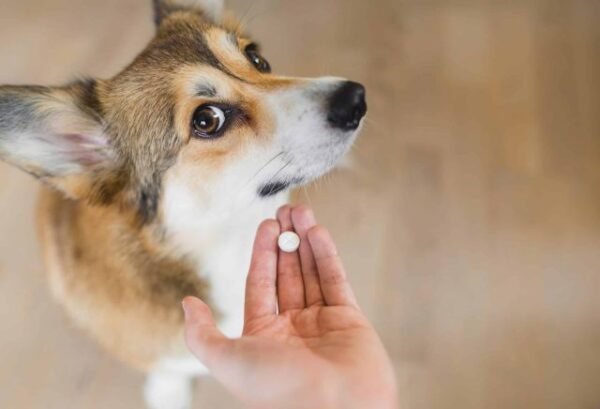
Preventing toxicity is achievable and largely depends on using your dog’s medication sensibly. Select your flea and tick treatment carefully and adhere to your veterinarian’s guidance.
Confirm Age Before Use
Most products indicate on their packaging that they should not be used on very young puppies. Ensure that you do not administer medication to your puppy until they are old enough.
Select the Correct Dosage
Remember, more is not better. Do not exceed the recommended dosage and absolutely DO NOT mix different products. Many medications are dosed based on the dog’s size. Administering a higher dosage than recommended for your dog’s size can trigger a toxic reaction. Some pet owners mistakenly use a small amount from a tube meant for larger dogs on their smaller dog to save money, unaware that the dosage and strength may be inappropriate.
Adhere to the Label Instructions
The instructions included with the medication are vital for your dog’s safety. Be sure to read them thoroughly. Additionally, ensure that the product is specifically labeled for use in dogs. Using insecticides designed for humans (like DEET for ticks and mosquitoes) can be ineffective and hazardous.
Double-Check the Delivery Method
Ingesting topical flea and tick medications, whether through eating oral tablets or licking off a topical application, can be dangerous.
Observe the Expiration Date
Avoid using expired products, as regulations may have changed since their manufacture.
Diagnosing Pyrethrin and Pyrethroid Toxicity in Dogs

Symptoms can manifest within hours or might take several days to appear. When administering flea and tick medication, it is advisable to record the date, amount, and time of use. This information can be invaluable if your dog requires veterinary care.
Your veterinarian may diagnose toxicity through blood tests, urine samples, and observed symptoms, but may request the product packaging, as detection through urine and blood tests is not guaranteed. If you cannot provide the packaging, knowing the product name and the amount used can still be beneficial. Even if your dog has been on the same medication for an extended period, a reaction can still occur.
Treating Pyrethrin and Pyrethroid Toxicity in Dogs
Your veterinarian’s treatment strategy for toxicity will depend on several factors, including:
– The severity of toxicity
– The specific product used
– When the medication was administered
– The dog’s age and overall health
Considering these variables and determining whether your dog is experiencing adverse neurological, muscular, or respiratory effects, your veterinarian can initiate appropriate treatment for poisoning. Some common detoxification methods include:
– Bathing to eliminate the product if the skin is affected
– Inducing vomiting may be beneficial for certain types of poisoning, while others may require avoiding it
– Medication to facilitate bowel clearance may be administered
– Your vet may prescribe seizure medications or muscle relaxants
– Activated charcoal is often used to bind and eliminate stomach contents
– Intravenous treatment might be necessary
– Oxygen therapy, if your dog is experiencing breathing difficulties
Prioritizing Safety

Flea and tick medication is essential for your dog’s happiness, but responsible usage is your responsibility. While over-the-counter products may appear convenient, the safest approach is to purchase from your veterinary clinic, ensuring that you are using approved, unexpired medications. Your veterinarian can also provide guidance on safe dosages tailored to your dog’s specific requirements. Remember, your dog’s medication is intended solely for them and not for other pets in your household. More is not better, as exceeding the maximum dosage can be hazardous.
Always wash your hands after applying your dog’s medication, store it out of reach of pets and children, and you should avoid any issues.