
Do Dogs Really Need Anesthesia for Dental Cleanings?

When it comes to professional teeth cleaning for dogs, many pet owners may hesitate at the mention of “anesthesia.” Understanding this vital part of dental care is essential for ensuring your pet’s health.
Why Anesthesia is Crucial for Dental Procedures
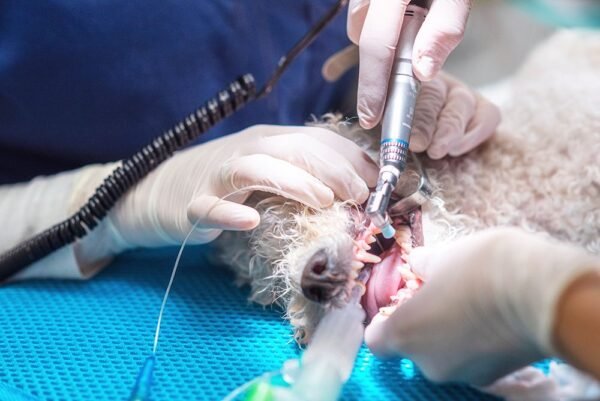
For the majority of dogs, anesthesia is a safe and necessary component of dental care. Prior to any procedure, veterinarians perform a thorough health assessment to ensure safety. During the cleaning, the veterinary team meticulously monitors vital signs to ensure a secure and comfortable experience, allowing for a comprehensive examination and treatment of the entire mouth.
This aspect of the procedure is more significant than one might initially assume.
The Limitations of At-Home Dental Care
While brushing your dog’s teeth at home is highly beneficial for their dental health, it cannot substitute for professional cleaning. A toothbrush cannot effectively clean beneath the gumline, where dental disease often lurks and can lead to damage that is not immediately visible.
A professional cleaning enables a veterinarian to eliminate plaque buildup both above and below the gumline and to scrutinize the teeth and surrounding tissues more closely. Attempting this on a conscious dog is neither practical nor safe; most dogs will not remain still when sharp dental instruments are in use, and we should not expect them to do so. Additionally, if dental X-rays are required, the only way to secure clear images is with an anesthetized patient.
Managing Stress and Ensuring Safety
Using anesthesia also mitigates the chances of the dog experiencing fear or stress during the procedure. Importantly, if a veterinarian identifies a tooth that requires extraction, the dog must be fully anesthetized to ensure the procedure is performed safely with adequate pain management.
In essence, anesthesia is not an unnecessary precaution; it is essential for allowing the veterinary team to treat dental diseases effectively rather than merely making the teeth appear cleaner.

Understanding the Risks of Anesthesia
Although anesthesia is never entirely free of risk, the likelihood of significant complications such as drooling, vomiting, drowsiness, lowered body temperature, and changes in heart function exists, though serious issues like cardiac arrest or death are rare. The advancements in anesthetic drugs and monitoring techniques over recent decades have made the associated risks generally minimal compared to the benefits gained.
The risks are typically higher for dogs with pre-existing health conditions, which is why veterinarians do not administer anesthesia without first evaluating a dog’s health.
The Pre-Anesthetic Evaluation Process
A thorough pre-anesthetic examination helps veterinarians detect potential problems and decide if further testing or precautions are necessary. The goal is to understand each individual dog’s risks before the procedure commences.
This process typically starts with a physical examination where the veterinarian may listen to the heart and lungs, inspect the mouth, and look for any issues that could impact the safety of anesthesia.
For senior dogs or those with conditions like diabetes, kidney disease, or Cushing’s disease, blood tests and urinalysis may be recommended to assess organ function. Depending on the dog’s overall health and medical history, additional assessments such as chest X-rays or an ECG may also be warranted.
Monitoring During and After the Procedure
Once anesthesia is administered, continuous monitoring takes place. Veterinary staff closely observe vital signs throughout the procedure, ready to adjust medications or intervene if necessary.
Post-cleaning, dogs are allowed to wake up under supervision, and typically, they are not sent home until they are awake and stable.
Pet owners play a key role in this process. Regular veterinary visits and maintaining a healthy weight contribute significantly to overall health. It’s also vital to inform the veterinarian of any medications your dog is taking and to mention any recent symptoms or behavioral changes.
Returning home does not automatically mean that your dog will quickly resume their usual energetic self.
Many dogs remain groggy and somewhat uncoordinated for a period following anesthesia, and their appetite may be diminished. Usually, for the first couple of days, your veterinarian will provide specific instructions regarding food, water, and activity as your dog recovers.
It’s crucial to adhere to these instructions closely, especially if a tooth extraction was performed, as dietary or activity modifications may be necessary while the mouth heals.
If unusual effects persist beyond the described recovery period, contacting the veterinary clinic is advisable.
The Reality of Anesthesia-Free Dental Cleanings
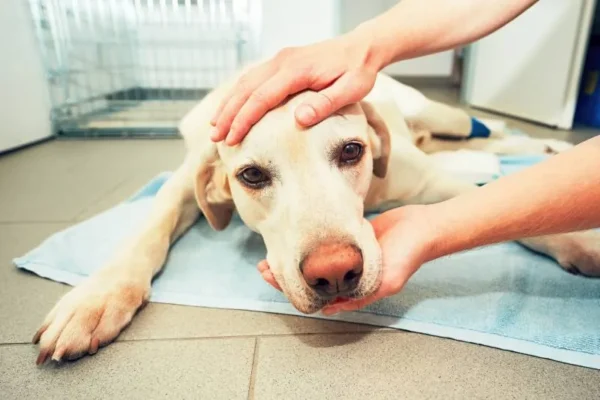
While dental cleanings without anesthesia may seem appealing, they do not provide the same standard of dental care. Without anesthesia, a dog cannot be safely held still while dental instruments are employed. More critically, such cleanings fail to adequately address issues below the gumline where much damage occurs.
This means a dog’s teeth might appear cleaner, but the underlying problems remain untreated. Anesthesia-free cleanings also do not create the appropriate conditions for tooth extractions if necessary.
Additionally, the attraction of anesthesia-free dental services often lies in their lower cost compared to veterinary dental cleaning, which is justified. Without a comprehensive mouth examination—including dental X-rays if necessary—the outcomes of an anesthesia-free cleaning are superficial at best. At worst, they could postpone the treatment of damaged roots and infections or even cause harm to the teeth.
For a thorough veterinary dental cleaning, anesthesia remains the standard approach, as it enables the vet to safely and effectively examine, clean, and treat the mouth.
So, is it daunting to put your dog under anesthesia? It’s natural to feel apprehensive. However, with proper pre-anesthetic assessments, vigilant monitoring, and professional oversight, anesthesia is typically a safe and dependable component of dental disease treatment.
When it comes to your dog’s dental health, addressing issues below the surface is essential.
Featured Image Credit: David Herraez Calzada, Shutterstock
News, insights, expert advice, and everything dog.