How to Identify Dog Obesity Before It Escalates
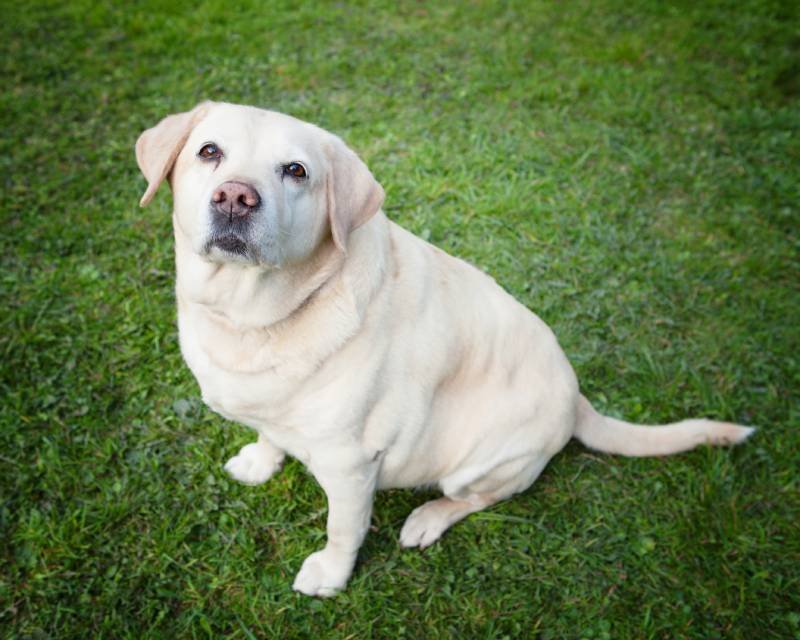
Recognizing dog obesity is crucial for pet owners, as it can lead to significant health issues. Understanding how to spot weight gain early can help prevent further complications. This article provides insights into identifying obesity in dogs, including what to observe.
Understanding Dog Obesity
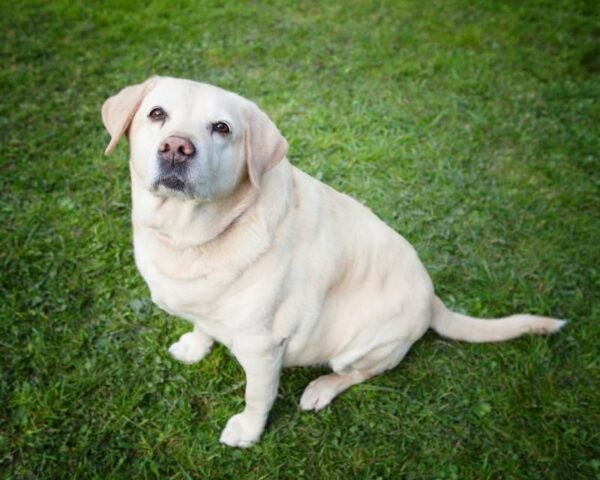
Obesity in dogs can be subtle, often developing gradually and resulting in changes to their body shape, energy levels, and daily behaviors that can be easily missed. By the time a dog’s weight gain is apparent, it may already interfere with their comfort during play and movement.
Determining a dog’s ideal weight involves more than just numbers. Key indicators include the dog’s body shape, the feel of their ribs, and any alterations in their usual behavior. Monitoring these elements can help identify when a dog is carrying excess weight that could be harmful to their health.
Key Indicators of Healthy Body Shape
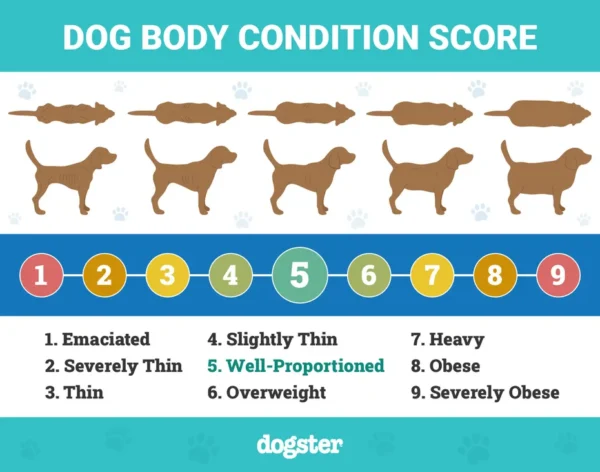
A dog in healthy condition should exhibit a noticeable waist when observed from above, and their abdomen should slope upward when viewed from the side rather than hanging down. The ribs should be easily felt without being overly prominent.
If the ribs are hard to touch, the waist appears to vanish, or the stomach protrudes between the ribs and hips, these are signs of excess body fat. Veterinarians implement a body condition scoring (BCS) system to evaluate weight, where a score of 4 or 5 out of 9 is considered optimal. Scores exceeding this indicate that the dog is overweight or even obese.
Changes in Daily Behavior
Shifts in routine can signify that a dog’s weight may be becoming problematic. A dog that previously enjoyed chasing toys or going for walks might start to show a lack of interest in these activities. Increased sleep or prolonged periods of inactivity can also be red flags.
Even minor changes can be significant. Variations in defecation schedules or bowel movements can indicate underlying health concerns, not just obesity, so any noticeable change in habits should prompt a conversation with a veterinarian.
Observing Breathing Patterns
Breathing can provide further insights into a dog’s health. While panting is normal after exercise or in warm conditions, frequent panting during rest or minimal activity can indicate issues.
Extra weight can exert additional stress on the cardiovascular and respiratory systems, making it harder for a dog to breathe efficiently, thus leading to increased panting even without physical exertion. Such panting can also signify pain, arthritis, or heart disease, warranting further examination.
Mobility and Energy Levels
Changes in mobility are another concern. A dog that once easily jumped onto furniture or into a vehicle may suddenly struggle to do so. Excess weight can make ordinary movements more taxing, potentially leading to fatigue or discomfort.
However, other factors like arthritis, joint pain, or injuries can also hinder mobility, so it’s important not to attribute all movement difficulties to weight. Nonetheless, if mobility issues coincide with weight gain, this should be assessed by a vet.

A decline in energy often follows a similar trend. Dogs with excess weight may become more lethargic, spending more time resting. As their activity diminishes, their overall fitness may decline, making movement even more challenging.
This can create a frustrating cycle where decreased activity leads to fewer chances for exercise, while carrying extra weight complicates physical activity. A dog that is less energetic alongside weight gain may require careful evaluation.
Monitoring Weight Changes
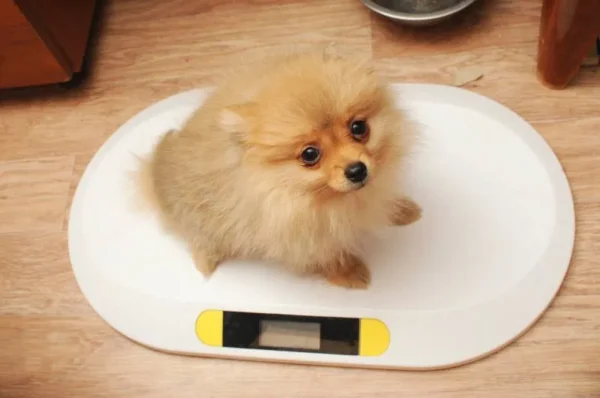
Weight itself is a straightforward indicator. Most dogs reach their full weight by 18 to 24 months of age, and significant increases should not occur after they turn two. While minor fluctuations are normal, a consistent upward trend should raise concerns and trigger closer monitoring.
Strategies for Managing Weight
Addressing excess weight typically involves adjustments in both diet and exercise. Increased frequency or duration of walks, engaging indoor play, and visits to dog parks can promote activity. However, if caloric intake consistently surpasses calories burned, weight management will be challenging.
Diet is arguably more critical; food portions should reflect the target weight rather than the current weight. Reducing human food and treats can also be beneficial, and specialized lower-calorie diets may be necessary in some cases.
A veterinarian can provide tailored advice and track progress. Many veterinary clinics offer weight management programs to assist you. Regular check-ups can help monitor weight and body condition, while also identifying potential health issues linked to obesity, such as diabetes, joint damage, liver problems, and hormonal disorders that may contribute to weight gain.
Weight gain can be insidious, often going unnoticed during gradual changes. By observing alterations in body shape, energy levels, breathing, and mobility, pet owners can more easily detect these subtle changes before they escalate into serious health problems.
Featured Image Credit: iLight photo, Shutterstock
News, insights, expert advice, and everything dog.