
Do Cats Really Need Professional Grooming? Here’s What You Should Know

Grooming is essential for every cat, regardless of whether they have short or long hair, but do they genuinely require the services of a professional groomer? The answer is not always yes. While many cat owners can manage grooming tasks at home, there are specific situations where enlisting a professional might be a better choice.
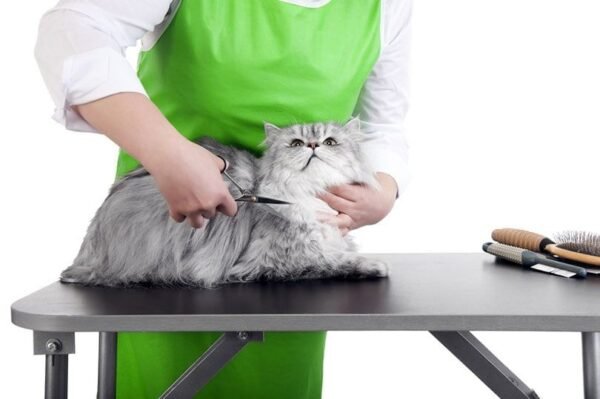
This article will delve into the significance of grooming for your feline friend, identify when a groomer visit is crucial, and provide practical tips for at-home grooming.

Understanding the Importance of Grooming
Even though cats are known for their self-grooming habits, they still rely on us to assist them, as their grooming abilities have limits. Cats with medium to long fur must be brushed daily to prevent knots, tangles, and mats from forming.
Failure to regularly brush long-haired cats can lead to painful clumps that may necessitate professional intervention for removal. Additionally, brushing helps reduce hair ingestion, consequently minimizing hairball occurrences.
Short-haired cats also benefit from brushing, albeit not as often as their long-haired counterparts. Regular brushing helps to distribute natural oils throughout the coat while removing dirt, debris, and loose hairs, resulting in healthier skin and fur. Furthermore, grooming sessions provide an excellent opportunity to check for any unusual lumps, bumps, or injuries, while also strengthening the bond between you and your cat.
Grooming Isn’t Just Brushing
Grooming encompasses more than just brushing; it also includes nail clipping, tooth brushing, ear inspections, and, occasionally, bathing if advised by your veterinarian.

For most cats, regular baths are unnecessary. However, some cats need them due to medical reasons or because they are hairless. Hairless breeds tend to accumulate grease quickly since they lack fur to help distribute skin oils. These cats typically require baths every few weeks using a gentle, cat-safe shampoo.
Should your veterinarian recommend bathing due to a medical issue or if your cat gets something sticky or toxic on their fur, it’s crucial to follow their advice. However, if you suspect your cat has a skin condition, it’s best to consult a veterinarian before resorting to a bath.
When to Consider Professional Grooming
If you manage all your cat’s grooming needs at home, including brushing, nail clipping, and ear checks, there’s usually no need for a professional groomer. However, if you’re uncomfortable doing certain tasks, such as nail trimming, you might prefer to seek professional help.
Additionally, if your cat’s fur is severely matted or clumped, and you’re unable to address the issue without risking harm, it’s advisable to consult a professional groomer. Professional groomers are trained to handle various coat types, breeds, and temperaments. Remember, if your cat appears to be in pain or shows signs of a skin condition, a visit to the veterinarian is essential.


Establishing a Successful Grooming Routine
If you create an effective grooming routine at home, your cat might never need to visit a professional groomer. Here are some strategies to make grooming as stress-free as possible for your cat.
Select a brush specifically designed for cats that is gentle enough to avoid discomfort. There are various options available, including bristle brushes, pin brushes, slicker brushes, and grooming mitts. Grooming mitts can be particularly effective for cats that are anxious about brushing, as they mimic the sensation of being petted.
If your cat sheds heavily, investing in a quality deshedding tool will prove invaluable during shedding seasons. A comb is also a useful addition for intricate grooming tasks.
Daily brushing is necessary for long-haired and curly-haired cats to prevent tangling and matting. In contrast, short-haired cats typically require brushing only once a week.

For cats unfamiliar with brushes and grooming tools, allow them ample time to explore these items before you start using them. This can help your cat feel more secure and in control, as they are often cautious around new objects.
Ideally, grooming should begin in kittenhood to help them become accustomed to the experience. However, with patience and time, even adult cats can learn to accept grooming. Let your cat sniff and rub against the brush at their own pace to familiarize them with its scent, feel, and presence.
Start brushing slowly in small sections, such as their back or areas where they enjoy being petted. Perform a few strokes, take a break, and then resume brushing to allow your cat to acclimate to the sensation. Reward your cat promptly after you begin brushing to foster a positive association with the experience.
The same approach applies to nail trimming. Even if you can only manage to clip one nail at a time before your cat runs away, that’s perfectly fine—you can always return to it later or the next day. If it takes several days to trim all the nails, that’s acceptable.

Trimming your cat’s nails can be challenging, but hiring a professional for this task may not be budget-friendly. With the right tools, like Hepper’s Cat Nail Clipper Set, you can efficiently and safely trim your cat’s nails at home. This set includes two pairs of stainless steel clippers equipped with safety guards, locking mechanisms, a built-in nail file, and a convenient storage pouch.
At Catster, we have long admired Hepper and decided to take a significant ownership stake to benefit from their innovative designs!
Having someone assist you in holding your cat and speaking softly while you trim their nails can boost your confidence, especially if you need to gently restrain them.
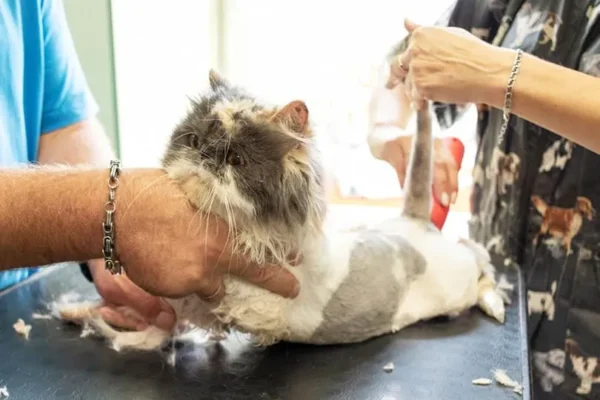
When trimming your cat’s nails, be cautious not to cut into the pink area of the nail, known as the quick, as this can cause pain and bleeding. If you accidentally cut the quick, styptic powder can help stem the bleeding.
If your cat becomes agitated during nail trimming, consider the “burrito technique,” which involves wrapping your cat in a blanket with only their head and one paw exposed. You can accomplish this by placing the cat on a blanket and folding it up around them. Having a helper hold your cat while you trim can also be beneficial.

Final Thoughts
While you can effectively groom your cat at home to save on grooming costs, complex or uncomfortable tasks such as dealing with severe matting or trimming nails might warrant a visit to a professional groomer.
If you notice any signs of skin conditions, such as dryness, redness, patchy fur, or flakiness during grooming, consult your veterinarian for further evaluation.
Featured Image Credit: artcasta, Shutterstock
Stay informed with insightful news, practical advice, and valuable tips delivered directly to you.