
12 Cat Vaccine Side Effects Every Owner Should Know
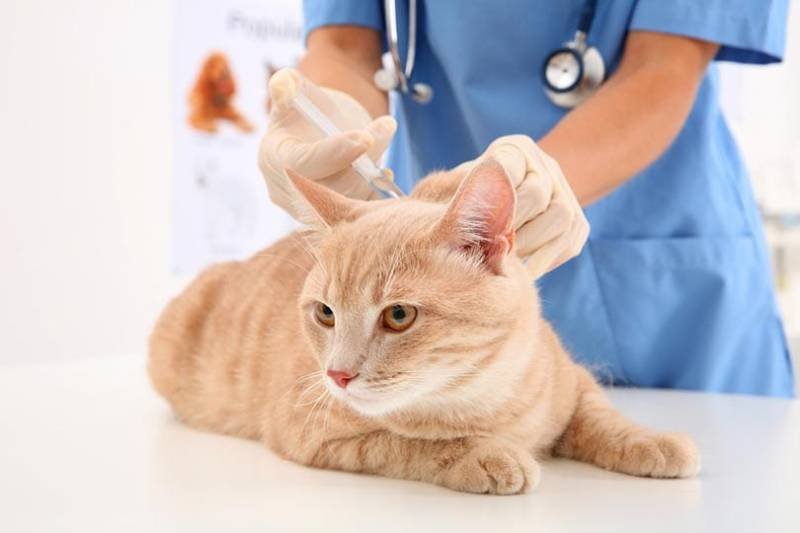
Vaccinations play a crucial role in maintaining our cats’ health, shielding them from harmful diseases prevalent in their surroundings and preventing the spread to other felines. These vaccines represent an efficient and straightforward strategy for disease prevention, with the advantages considerably outweighing any potential adverse effects. Serious illnesses such as rabies, feline distemper, and feline leukemia can be effectively averted through annual vaccinations.
Administering a vaccine involves introducing a minuscule quantity of the virus—insufficient to cause illness—to stimulate the immune system into producing antibodies against the disease. Once these antibodies are formed, your cat gains immunity, enabling them to fend off the disease without falling ill upon future exposure.

Despite the critical benefits of vaccinations, it’s essential to acknowledge that adverse reactions, while rare, can occur. The majority of domestic cats receive vaccinations, and reported reactions are limited to a small fraction of these cats. Typically, reactions are mild and resolve on their own without needing veterinary intervention.
Reactions may present themselves shortly after vaccination, often within hours, but some can appear days or even weeks later. If you are concerned about the possibility of your cat experiencing a reaction, or if they have pre-existing health conditions, consult your veterinarian before the vaccination appointment. They can provide guidance on any potential risks.
Recent years have seen various reports of negative vaccination reactions in the media. It’s crucial for pet owners to remember that the benefits of vaccination far outweigh the risks associated with potential adverse reactions. Vaccination initiatives for cats have been so effective that many diseases targeted by vaccines are now rarely encountered. Therefore, it’s advisable to vaccinate all cats whenever possible.

One common reaction stems from the vaccine being delivered via a small needle that penetrates the skin. A minor localized reaction might occur in the skin around the injection site, typically resolving within a day or two. To aid recovery, avoid touching or stroking that area for a few days to prevent any unnecessary discomfort.
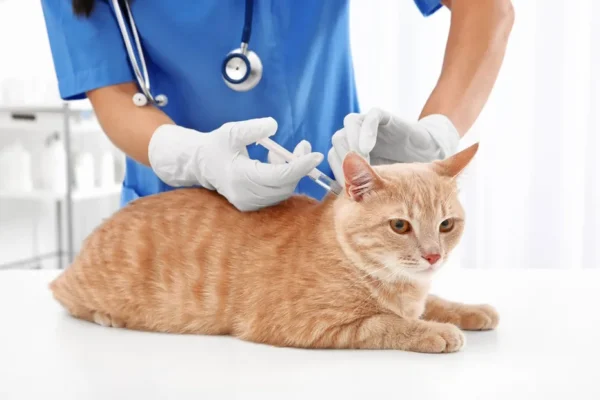
Post-vaccination, you may observe that your cat is less active than usual for a few days, particularly in kittens after their primary and secondary vaccinations. If your cat appears quieter and more subdued, monitor their eating and drinking habits closely. You may need to provide extra attention and allow them to rest as they recover.
If your cat shows a lack of interest in food or water, and lethargy persists, consult your veterinarian, as there may be underlying issues that require addressing.
Some cats may experience a diminished appetite for a couple of days following vaccination, which can be concerning given that cats are susceptible to a condition known as hepatic lipidosis, where fat accumulates in the liver due to a lack of food intake. If your cat refuses to eat for more than a couple of days, contact your vet for an evaluation.
Encouraging your cat to eat can be achieved by offering their favorite foods, warming them to enhance their aroma, or even hand-feeding them.

A low-grade fever is a relatively common side effect of vaccinations, as they stimulate the immune system to produce antibodies. This immune response may manifest as mild clinical signs, including fever. If the elevated temperature lasts more than a day, you should reach out to your vet for further examination. Generally, vets check for any illnesses before administering vaccines, and giving a vaccine is not advisable if your cat already has a fever.

Most reactions mentioned are typically mild and transient. Many owners might not even notice their cat exhibiting some of these clinical signs. However, more severe side effects can occur, which include:
Allergic reactions to vaccines can sometimes arise, with facial swelling being a prominent and alarming sign. This situation is an emergency, as swelling can obstruct the airways and esophagus, leading to suffocation. If you observe this reaction in your cat, seek immediate veterinary assistance.

Hives, characterized by itchy raised bumps on the skin, may indicate an allergic reaction. Running your hand over your cat’s body can help you feel these hives. If present, it is advised to seek veterinary care.
Another alarming sign of an allergic reaction is difficulty breathing. If your cat suddenly struggles to breathe post-vaccination, this is a life-threatening emergency that necessitates immediate veterinary intervention.

Acute vomiting can also signify an allergic reaction to the vaccine. Given that numerous factors can cause vomiting, it is prudent to have your cat examined to determine the underlying cause.
Diarrhea may occur after vaccination as well, likely due to immune system activation causing temporary digestive irritation, or simply from the stress of a vet visit.

Itching can affect some cats post-vaccination, manifesting either throughout the body or localized to specific areas, like the face. This itching may indicate an allergic reaction and could escalate to more severe symptoms. If you notice itching, consult your vet and monitor your cat closely.
In rare instances, vaccines can trigger anaphylactic shock, a critical condition characterized by a sudden decrease in blood pressure affecting the circulatory system.
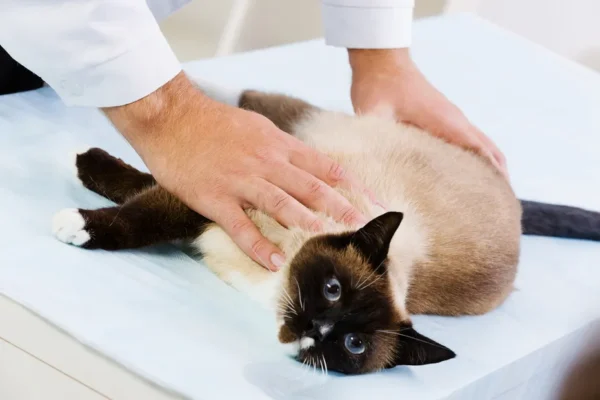
Distinct from other side effects, some cats may develop a rare reaction known as feline injection site sarcoma. This malignant cancer can emerge following any injection, not solely vaccinations, and is marked by local aggressiveness.
Occurrence rates are low, affecting less than 1 in 10,000 cats. While researchers once believed certain vaccine components triggered this condition, current understanding suggests this is not the case. Injection site sarcomas can arise from any injection, including microchip placements or subcutaneous fluid administrations.

While many vaccine side effects may be beyond our control, there are significant steps that cat owners can take to minimize risks and support their cats during the post-vaccination recovery period.

Side effects from cat vaccines are exceedingly rare, and most cats tolerate their shots exceptionally well. A small percentage may experience side effects, primarily mild in nature and not requiring further veterinary care. Typical side effects include localized pain at the injection site and a temporary decrease in appetite. In rare cases, more severe reactions may manifest. It is crucial for owners to observe their cats closely following vaccinations, especially after initial shots.
The advantages of vaccination significantly outweigh the risks, as these shots provide essential protection against potentially life-threatening diseases.
Featured Image Credit: Africa Studio, Shutterstock