
Discover the Ideal Running Distance for Your Dog
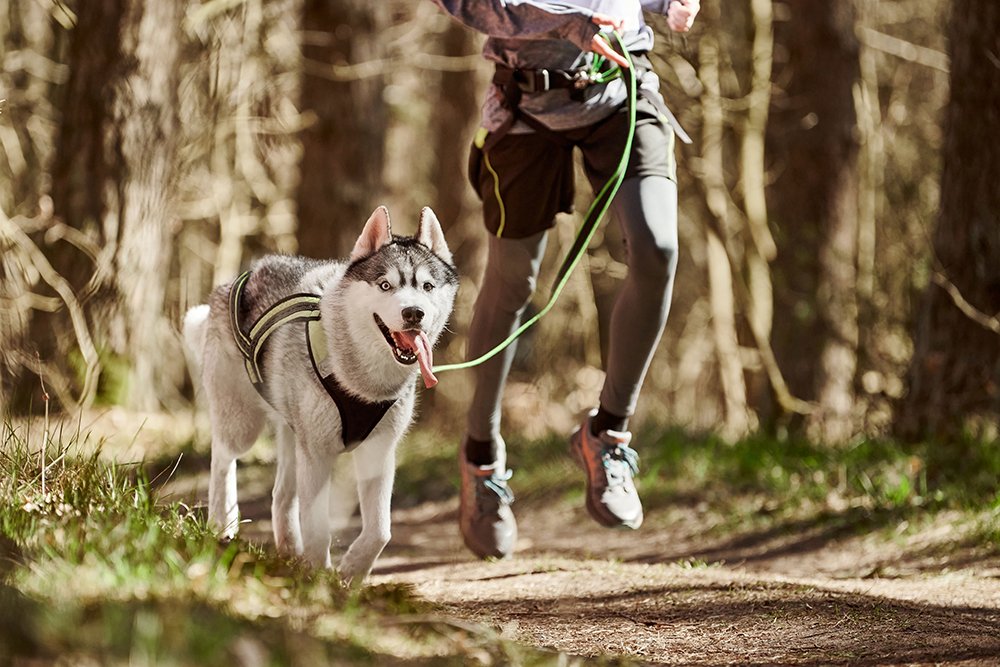
Bringing your dog along for a run can elevate your exercise routine, but how far can your furry friend actually go? This essential guide breaks down running distances based on your dog’s breed, age, and health status, ensuring a safe and enjoyable experience for both of you.
Why Running with Your Dog Matters
Approximately 48 million Americans engage in jogging or running as a leisure activity. While it serves as fantastic exercise, the monotony of the same route can lead to boredom. Introducing your dog as a running companion not only adds excitement but also prompts questions: What is the optimal running distance for my dog? Should I implement a training regimen? How far is too far for them?
Understanding Your Dog’s Capabilities
Dogs are descendants of wild canids that roamed vast distances for survival. Though they share that DNA, modern dogs may not possess the same athleticism as their ancestors. Generally, fit dogs can run between 2 to 5 miles, but numerous factors come into play, such as the dog’s breed, age, health, and activity level. It’s crucial to start with shorter distances and gradually increase the length of your runs. Furthermore, domestication has influenced their running capabilities, so read on for more insights.

Key Factors to Consider
Before you take your dog on a run, several considerations are essential, starting with their developmental stage. While puppies are energetic, long runs can pose risks of injury due to their developing bones and joints. A dog’s physical maturity is generally reached around one year, although larger breeds like the Newfoundland may take up to two years.
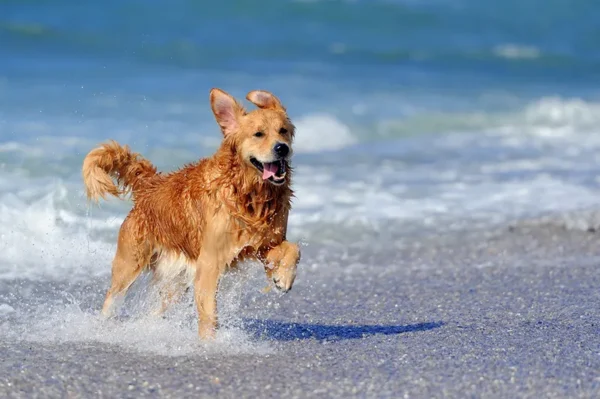
Older dogs, like a senior Golden Retriever, may wish to join you, but it’s often advisable to refrain from running, particularly if they have existing joint problems. Running could exacerbate their discomfort. Let’s delve into the practical aspects.
Health Concerns and Exercise
Another crucial aspect is the dog’s overall health. For pets with chronic illnesses, walking may be a more suitable option, as running adds stress that could be detrimental. Overweight dogs may struggle to keep pace, so a slower, more manageable speed can aid in weight control without overexertion. Brachycephalic breeds are particularly sensitive to heat and exercise-induced stress due to their compromised airways, making them ill-suited for even brief runs. Cardiac and respiratory issues can worsen with intense exercise, necessitating a gentler activity level for affected dogs.
Weather Considerations
Weather conditions can significantly impact your running sessions. Ideally, you already choose your running times based on favorable weather, whether to avoid excessive heat or cold. If the pavement is too hot for you to touch, it’s equally unsafe for your dog, as it could lead to paw burns. Heatstroke is a serious risk in high temperatures since dogs do not sweat and are covered in fur. Cold weather brings its own dangers, such as frostbite and hypothermia, as the dog’s coat has its limits in providing warmth, especially during inclement weather.
Choosing the Right Running Surface
The nature of the running surface is also critical. While you may have shoes designed for traction, your dog can slip on slick pavement just as easily. Running on hard surfaces like concrete can increase the impact on their joints over time, leading to arthritis. For regular runs, opting for softer surfaces like grass is advisable. Being prepared for your run is key.


Running Distances by Breed
Now, let’s explore how different breeds measure up in terms of running capabilities, starting with their closest relative, the gray wolf (Canis lupus). Wolves generally maintain an average pace of 5 miles per hour (mph) while jogging but can sprint up to 34 to 44 mph when necessary to catch their prey.
For perspective, the world’s fastest human, Usain Bolt, clocked in at about 23.35 mph. Wolves can cover impressive distances, running up to 125 miles in a day! Sharing 99.9% of their DNA with domestic dogs highlights the inherent running potential in our pets. However, domestication has altered many breeds’ endurance and speed.
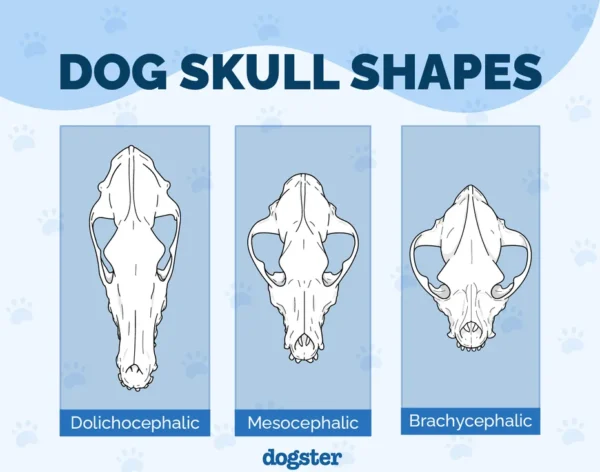
With 378 recognized dog breeds exhibiting remarkable diversity, one key factor is the shape of the dog’s skull. Researchers categorize dogs based on their cephalic index, which is the ratio of skull width to length. This classification is significant as it can influence brain structure, behavior, and respiratory efficiency, ultimately affecting endurance and speed.
The Genetic Factor
In studies focusing on sporting dogs and terriers, researchers found that certain genes influence physical and cardiovascular traits. Sporting breeds like the Brittany Spaniel and the American Cocker Spaniel demonstrate high agility and endurance, while herding breeds like the Bearded Collie and Australian Cattle Dogs also excel in these areas.
Interestingly, the Jack Russell Terrier, bred for speed and agility, is an excellent running partner, capable of keeping pace with you due to its small size and energy. This challenges the notion that only larger dogs can run longer distances.
Moreover, specific genetic traits unique to breeds such as Whippets allow them to reach speeds of up to 36 mph, making them ideal for sprinting alongside you. Research has shown that larger heart proportions in Greyhounds correlate with their impressive speed.
Breed-Specific Running Considerations
Research also indicates a positive association between running distance and breeds with a dolichocephalic skull shape, like the Greyhound and Saluki. In contrast, brachycephalic breeds, which have short muzzles designed for different functions, face unique challenges. Dogs such as Mastiffs and Cane Corsos have been selectively bred for their protective traits, but this has also made them prone to respiratory issues.
Brachycephalic breeds, like Pugs and French Bulldogs, may struggle with heat and exercise tolerance. While running with a Whippet is feasible, brachycephalic dogs are not recommended as running companions due to their respiratory complications. Instead, these breeds benefit more from short, leisurely walks.
Getting Started with Running
If you’re considering introducing your dog to running, a veterinary check-up is advisable for both you and your pet. Starting slow is the key to success; begin with approximately half a mile and gradually increase the distance over several months.
Identify dog-friendly trails in advance and consider using a hands-free leash for ease of handling. Bring enough water for both you and your dog, as hydration is crucial.
To minimize weather-related stress, opt for runs during cooler parts of the day, and enjoy the quieter trails to avoid distractions. Don’t forget to bring treats to keep your dog focused, but limit them to prevent digestive issues. Allow your dog to warm up with a short walk before running, and always monitor their body language for signs of discomfort; if they show signs of fatigue or distress, halt the exercise immediately.


Conclusion
A well-conditioned dog can safely run between 2 to 5 miles, though individual factors such as age, breed, and health status can affect this range. Some breeds are naturally more suited for rigorous cardio than others. If your dog is new to running, gradually introducing them to the activity will help them adjust to the physical requirements. Enhance their experience with plenty of water and occasional treats to keep them motivated.
Featured Image Credit: travelarium.ph, Shutterstock
News, insights, expert advice, and everything dog.