
Discover the Facts: How Many Teeth Do Dogs Really Have?

When it comes to our canine companions, understanding their dental health is crucial. Adult dogs typically possess 42 teeth, distributed as 20 teeth on the upper jaw and 22 on the lower jaw. This count can vary due to dental issues such as missing teeth from eruption failures or periodontal disease. Let’s delve into the fascinating world of dog dental anatomy and care.

The Puppy Transition: From Baby Teeth to Adult Teeth
Puppies undergo significant changes as they mature, particularly regarding their teeth. Initially, they have 28 temporary teeth, which typically emerge around three weeks old and fall out by 8 to 10 weeks. The first to appear are the incisors, followed by the canine teeth, which resemble sharp fangs, and finally, the premolars. The transition to adult teeth usually begins around the 12-week mark, with a complete set emerging by six months.

Understanding Dog Dental Structure
Dogs have a distinct set of teeth that serve various purposes. The incisors are used for grooming and cutting food, with six located on both the upper and lower jaws. Dogs also have two sets of canine teeth designed for grasping and tearing. Additionally, there are four premolars on each jaw used for shearing, along with four upper molars and six lower molars that assist in grinding food. Notably, the carnassial teeth, which include the fourth upper premolar and the first lower molars, play a vital role in tearing flesh.
The Importance of Dental Care
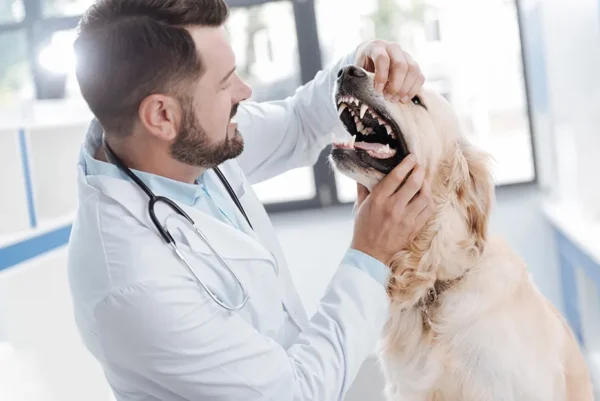
Maintaining your dog’s dental health is often overlooked but is essential for preventing various health issues. Poor dental hygiene can lead to dental diseases that cause pain and discomfort for dogs. Regular brushing is crucial, as plaque formation can lead to tartar buildup, which may require veterinary intervention if left untreated. Dental diseases are prevalent, especially in older dogs, and can significantly affect their quality of life.
Common Causes of Tooth Loss in Dogs
Several factors contribute to tooth loss in dogs. Periodontal disease is a significant concern, as it involves infections below the gumline, leading to tooth loss and potential complications for overall health. Other causes include trauma from accidents, aggressive chewing on hard objects, and dental surgeries that may necessitate tooth extraction. It is essential to monitor your dog’s dental health and consult a veterinarian if you notice any issues.

Conclusion: Prioritizing Your Dog’s Dental Health
Understanding how many teeth your dog has and their function is vital for responsible pet ownership. Regular dental care, including brushing and providing chew toys, can help maintain your dog’s dental health. If you’re concerned about your pet’s dental hygiene or overall well-being, consult a veterinarian for professional advice and care.


Featured Image Credit: Lucia Romero, Shutterstock