
Top 10 Dog Breeds at Higher Risk for Cancer Revealed

Dogs, cherished companions in our lives, bring us joy, love, and loyalty. However, similar to humans, they are vulnerable to various health challenges, including cancer. Certain breeds are genetically predisposed to this serious illness, raising concerns among dog owners.
This article delves into the ten dog breeds most susceptible to cancer, detailing the specific types of cancer they are prone to and the underlying reasons for their increased risk.
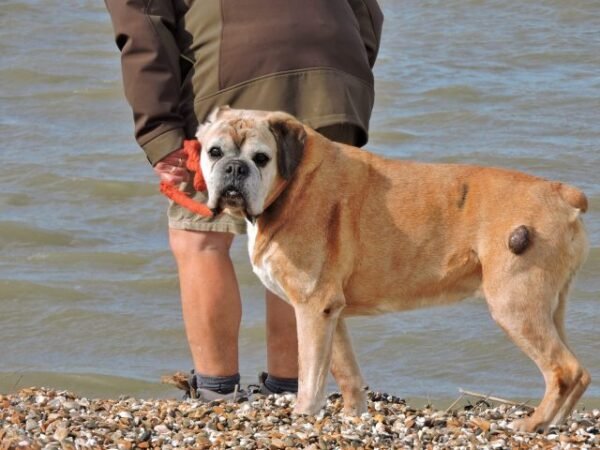
1. Golden Retriever
Renowned for their friendly demeanor and tolerance, Golden Retrievers are unfortunately among the breeds most at risk for cancer. Common diagnoses include:
- Hemangiosarcoma: This cancer originates in blood vessels, typically impacting the spleen, liver, or heart.
- Lymphoma: A cancer that affects lymphocytes, a type of white blood cell.
- Mast Cell Tumors: Tumors that develop from mast cells, which are involved in allergic reactions.
Reason: The elevated cancer rates in Golden Retrievers are largely due to genetic factors. A decrease in genetic diversity caused by selective breeding has heightened their risk of inheriting cancerous mutations.
2. Boxer
Boxers are celebrated for their energetic and affectionate personalities. However, they face significant risks for various cancers, especially:
- Lymphoma
- Mast Cell Tumors
- Brain Tumors
Reason: The breed’s genetic makeup makes Boxers particularly vulnerable to cancer, with a limited gene pool further elevating their risk of mast cell tumors.
3. Rottweiler
Known for their loyalty and protective nature, Rottweilers also have a heightened cancer risk, particularly for:
- Osteosarcoma: A notably aggressive form of bone cancer.
- Lymphoma
Reason: The genetic structure of Rottweilers predisposes them to osteosarcoma, while their large size and rapid growth contribute to this cancer’s development.
4. Bernese Mountain Dog
These gentle giants are known for their calm demeanor, but they unfortunately face shorter lifespans due to:
- Histiocytic Sarcoma: A rare but aggressive cancer affecting histiocytes, a type of immune cell.
- Mast Cell Tumors
- Lymphoma
Reason: The breed’s genetic heritage reveals a high occurrence of histiocytic sarcoma, compounded by limited genetic diversity that increases their cancer susceptibility.
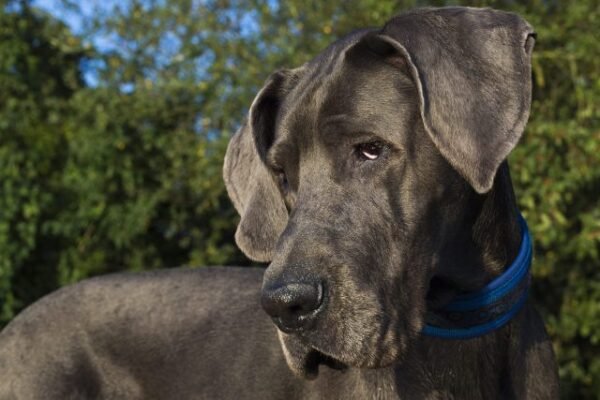
5. German Shepherd
Regarded for their intelligence and versatility, German Shepherds are also prone to several cancer types, including:
- Hemangiosarcoma
- Lymphoma
- Osteosarcoma
Reason: Their susceptibility to cancer stems from genetic predispositions and their size, which may increase the risk of developing osteosarcoma.
6. Great Dane
Known for their impressive size and gentle nature, Great Danes are at risk for:
- Osteosarcoma
- Lymphoma
- Hemangiosarcoma
Reason: The large size and rapid growth of Great Danes heighten their likelihood of bone cancer, with genetic factors also playing a critical role in their cancer risk.
7. Labrador Retriever
As America’s most beloved dog breed, Labrador Retrievers are adored for their sociable nature, but they are also susceptible to:
- Lymphoma
- Mast Cell Tumors
- Hemangiosarcoma
Reason: The genetic predisposition of Labradors to certain cancers, combined with their widespread breeding, results in a higher occurrence of cancer within the breed.
8. Beagle
Beagles are energetic and friendly small dogs that face risks for:
- Bladder Cancer (Transitional Cell Carcinoma)
- Lymphoma
- Mammary Tumors: Especially in unspayed females.
Reason: Beagles’ genetic tendencies toward bladder cancer and other forms are linked to specific mutations affecting cell growth and division.

9. Cocker Spaniel
Cocker Spaniels, known for their affectionate nature and stunning coats, are prone to:
- Mammary Tumors
- Melanoma: A form of skin cancer.
- Lymphoma
Reason: The breed’s cancer susceptibility, particularly to mammary tumors, is often tied to hormonal influences. Spaying female Cocker Spaniels before their first heat can significantly mitigate this risk.
10. Scottish Terrier
Scottish Terriers, small yet determined dogs with a unique look, are especially prone to:
- Bladder Cancer (Transitional Cell Carcinoma)
- Melanoma
- Lymphoma
Reason: Scottish Terriers have a genetic tendency towards bladder cancer, believed to be influenced by specific genes that regulate urinary tract cell growth.
Understanding Genetic and Environmental Influences
While genetics significantly contribute to cancer development in these breeds, environmental factors and lifestyle choices also play a role. Elements such as diet, toxin exposure, and overall health can impact cancer risks.

Preventative Strategies and Early Detection
For dog owners, being aware of these risks and implementing preventative strategies is vital. Here are several actions you can take to safeguard your canine companion:
- Regular Veterinary Check-ups: Early detection is essential for effective cancer management. Routine veterinary appointments can help identify cancer signs early, enhancing treatment success rates.
- Healthy Diet: Providing a balanced and nutritious diet can bolster your dog’s overall health and immune system, potentially lowering cancer risk.
- Spaying/Neutering: Spaying female dogs can greatly reduce the likelihood of mammary tumors, while neutering males can prevent testicular cancer.
- Avoiding Toxins: Minimizing your dog’s exposure to environmental toxins like pesticides and secondhand smoke can help decrease cancer risk.
- Exercise: Regular physical activity aids in maintaining a healthy weight and supports overall well-being, which can reduce the risk of various health issues, including cancer.
While the thought of cancer affecting our beloved pets is challenging and heartbreaking, understanding which breeds are at greater risk and the reasons behind it empowers us to take proactive measures in their care. Genetics play a critical role, but through consistent monitoring, a healthy lifestyle, and routine veterinary care, we can help ensure our furry friends enjoy long, healthy, and happy lives.
Remember, early detection and prompt treatment are crucial in the battle against cancer. If you observe any unusual lumps, behavioral changes, or other concerning symptoms in your dog, consult your veterinarian immediately. With the right care and vigilance, we can offer our dogs the best chance at remaining cancer-free.