
Why Is My Cat Playing with Poop? 6 Vet-Approved Reasons

While cats are generally known for their cleanliness, some may exhibit unusual behaviors, such as playing with their own feces. This peculiar habit can be observed in both kittens and adult cats, typically stemming from factors like boredom or unsuitable litter conditions.

This article explores six potential reasons why your feline friend might engage in this behavior, enabling you to pinpoint the issue and implement effective solutions.

Kittens Learning the Ropes
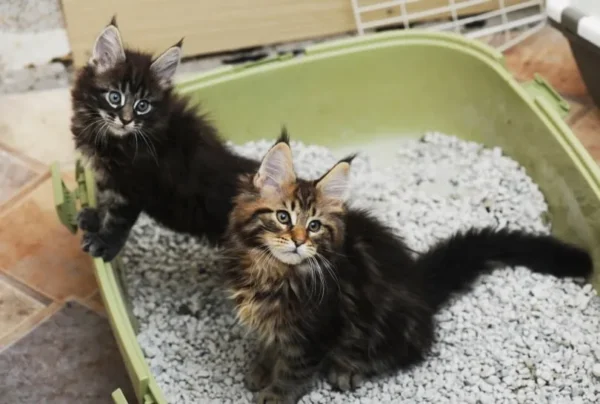
Kittens are in the process of learning how to properly bury their waste. They may not be intentionally playing with their poop but instead struggling to cover it up. Alternatively, they might perceive it as a toy, engaging with it as they would with a stuffed animal. Young kittens are also more prone to stepping in their waste and spreading it outside the litter box, leading to messy situations.
It’s essential not to scold your kitten for this behavior; instead, continue their litter training and offer praise when they use the litter box correctly. Teaching them how to bury their waste takes time and patience.
Boredom in Adult Cats
Adult cats can also exhibit this behavior, often due to boredom stemming from a lack of toys or insufficient interaction with humans or other pets. To combat this, invest in additional toys and spend quality time engaging with your cat through interactive play. Increased playtime can significantly reduce their inclination to play with feces.
Cats are inherently clean animals and expect their living environments to be maintained. Regularly clean the litter box, removing solid waste promptly and scooping clumped litter daily. A thorough weekly cleaning is also advisable to eliminate any leftover litter residues.
Choosing the Right Litter Tray
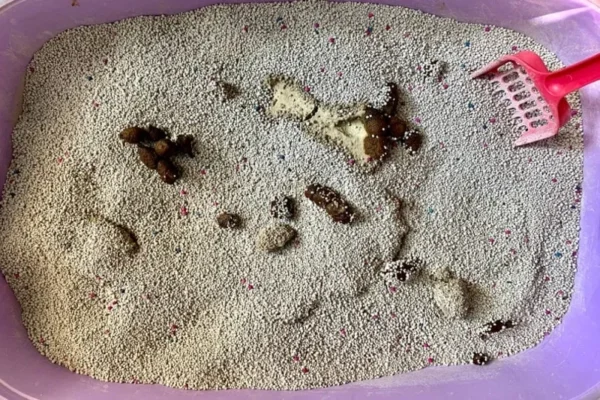
Cats can be quite particular about their litter trays. Ensure that the litter box is adequately sized—ideally one and a half times the length of your cat. The type of litter is equally important; if your cat is not satisfied with the litter you’ve chosen, consider experimenting with different options, as many cats have specific preferences.
It’s recommended to have one litter box per cat, plus one additional box. Position the litter trays in quiet areas, ideally against a wall, so your cat feels secure. If you have dogs, a covered litter box might be a wise choice to prevent any unwanted access.
Be open to relocating the litter trays to different spots while ensuring your cat can access them easily to minimize accidents outside the box.

Scent Attraction to Feces
While cat feces may be unappealing to humans, they can have an enticing scent for cats. Your cat might be drawn to its poop out of curiosity regarding the proteins or nutrients it contains, viewing it as an object of interest rather than something to avoid.
If your cat seems intrigued by the smell, it’s acceptable for them to sniff, but discouraging them from playing with feces is advisable.

Providing Clean and Safe Spaces
Cats require a clean and safe area to relieve themselves. Even outdoor cats benefit from having indoor litter boxes. Ensure you have one litter box per cat plus one extra, placed in various locations throughout your home. Avoid high-traffic areas but ensure your cat has constant access to them.
Select a litter that effectively absorbs waste while being easy to scoop. If your cat hesitates to enter the box, it may be due to an unpleasant texture; consider switching to a softer option, such as recycled paper litter.
Regular maintenance is crucial—scoop waste as soon as you notice it and dispose of clumped litter daily. A thorough clean of the litter boxes should occur at least once a week to keep them fresh and inviting for your cat.

The Mystery of the “Zoomies”
Some cats exhibit what is referred to as “zoomies” after a bowel movement, particularly when passing a larger stool. This phenomenon occurs due to the pressure on the vagus nerve, resulting in a temporary decrease in heart rate and blood pressure, which may cause lightheadedness and subsequent bursts of energy.
These playful antics can be amusing but can also contribute to the overall mess, as the excitement may lead to further exploration of the litter box area.


Understanding why your cat engages in such unusual behavior can be essential for maintaining a harmonious home. While kittens may be still learning to manage their waste, adult cats could be acting out due to insufficient litter box conditions or preferences. Addressing these issues can help alleviate the behavior.
Consider your litter box setup and make necessary adjustments before exploring other potential reasons for this behavior.
Featured Image Credit: Sukpaiboonwat, Shutterstock