
What to Do When a Bear Approaches While Walking Your Dog
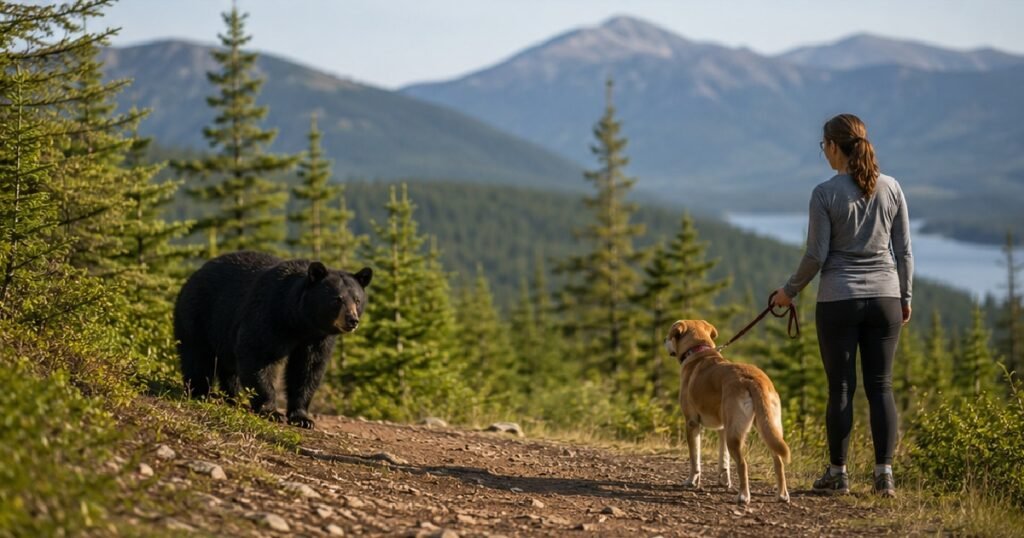
As black bears increasingly reclaim their former habitats in North Carolina and elsewhere, wildlife officials are alerting residents to the rising frequency of encounters with these formidable creatures, particularly for dog walkers. Bears are venturing into suburban areas, wooded pathways, and even residential driveways in search of food and mates. While encountering a black bear can be thrilling, experts caution that such meetings can escalate into dangerous situations, especially when dogs are involved, underscoring the need for pet owners to be vigilant and prepared.
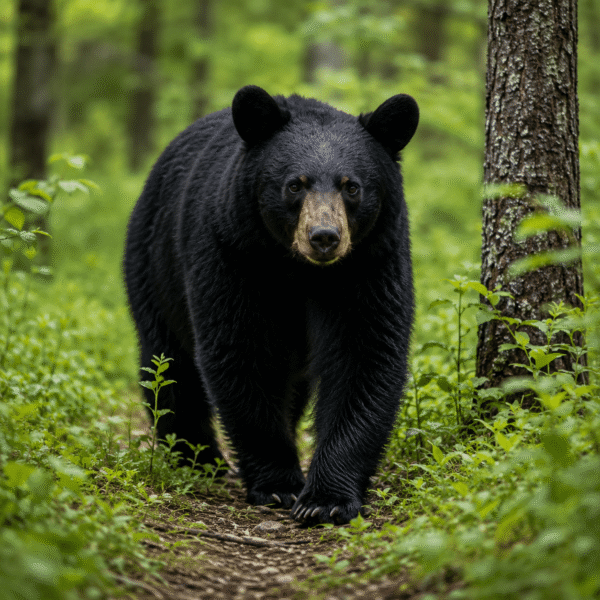
The North Carolina Wildlife Resources Commission has issued warnings regarding the increased activity of black bears throughout Central North Carolina. These animals are roaming further distances in search of food and mates, which raises the likelihood of encounters with both humans and pets.
Black Bears in Suburban Areas
While seeing a bear in mountainous regions may not be shocking, their presence in suburban driveways and residential locales, including parts of Durham, is noteworthy. This rise in sightings indicates a significant recovery of the species after years of decline. North Carolina isn’t unique in this regard; black bears can be found across much of North America, inhabiting at least 40 states, especially in forested and mountainous areas such as California, Colorado, Tennessee, Pennsylvania, and parts of Florida.
Guidance from Bearwise
Wildlife officials recommend that residents adhere to guidelines provided by Bearwise, a national initiative established by bear biologists aimed at fostering safe coexistence between communities and black bears.
Risks Associated with Dogs
One of the primary concerns relates to dogs.
According to Bearwise statistics, dogs were implicated in over half of the reported bear-human incidents from 2010 to 2015. Alarmingly, nearly half of these incidents resulted in injuries or fatalities for the dogs involved, and more than 60% of the humans were also hurt.
Black bear biologist Jenna Malzahn notes that interactions between bears and dogs can be unpredictable due to varying circumstances. Factors such as a dog’s size, temperament, and behavior can significantly affect a bear’s response.
“Many variables are at play here, but in general, dogs and bears do not coexist well,” Malzahn stated. “It’s crucial to be aware of this while walking your dog.”

Experts emphasize that keeping dogs on a leash can be a crucial lifesaver.
A loose dog may bark at or chase a bear, provoking a frightened animal to react defensively. While black bears typically avoid confrontation, they can become aggressive if they feel cornered or perceive a threat to their young or food sources.
“Bears and dogs simply do not coexist peacefully, and leashes are vital for safety,” Malzahn affirmed.
The emotional toll of these encounters can be devastating for pet owners. In moments of panic, many instinctively rush to protect their dogs, even at the risk of running toward danger. However, experts warn that approaching a bear can quickly escalate a scary situation into a tragic one.
If a bear attacks a dog, officials advise using bear spray rather than intervening directly.
“It’s difficult to accept, but getting too close to the bear can lead to personal injury,” Malzahn cautioned.
Residents in bear-active zones are also urged to avoid walking dogs during dawn or dusk, times when bears are often more active. Carrying bear spray and staying alert during walks can mitigate the risk of dangerous encounters.
Despite the escalating concerns, wildlife officials celebrate the return of black bears as a significant conservation success.
Decades ago, black bears were nearly eradicated from vast regions of North Carolina due to intentional removal. By the 1970s, only about 1,000 bears remained, primarily in isolated coastal forests and mountainous areas.
Today, their population has rebounded remarkably.
“Back in the 1970s, we were down to around 1,000 black bears,” Malzahn reflected. “Witnessing the population recovery we have today is incredible.”
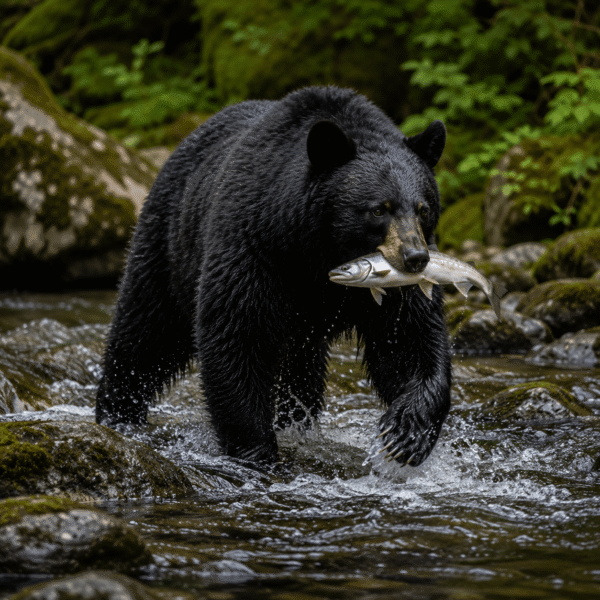
Currently, bears are flourishing in the mountains and coastal areas, with breeding populations gradually extending into the Piedmont region. Wildlife officials indicate that bears can potentially traverse every county in the state, even if they do not reside there permanently.
The increasing bear population serves as a powerful testament to nature’s resilience. Concurrently, experts hope that residents will learn to coexist with these magnificent creatures while safeguarding their beloved pets.