
Stop Cat Bites: Essential Tips Every Owner Must Know
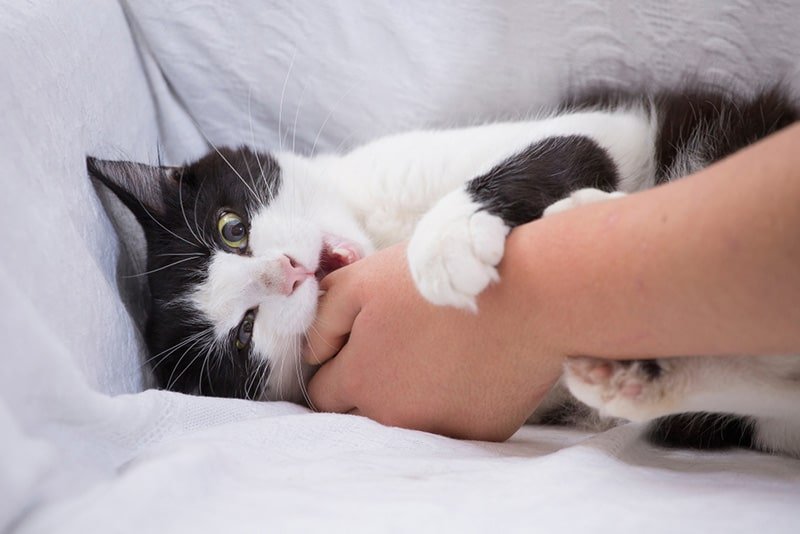
Cat bites are a serious issue, sending over 400,000 individuals to emergency rooms across the United States annually. The threat isn’t just from how hard a cat bites, but from the bacteria present in their mouths that can lead to severe infections once those small, deep punctures close up.

Understanding the Reasons Behind Cat Biting
Many cat owners recognize that biting is a behavior that needs to be addressed; however, few realize that their instinctive reactions to bites can aggravate the situation. This often leads to the crucial question: why is the cat biting in the first place? Understanding the root of the behavior is essential for an effective solution.
Cats do not bite without reason. There is always a cause, even if it isn’t apparent at first glance.
Kittens, for instance, often bite during play. In their natural litters, rough play helps them learn social boundaries; biting too hard elicits a strong reaction from their siblings, teaching them moderation. When kittens are separated from their litters prematurely, they miss out on this vital feedback, and their biting behavior can inadvertently shift to their human companions. What may seem like innocent play biting at eight weeks can evolve into a painful issue by eight months.
For adult cats, the reasons for biting are more varied. One common motive is seeking attention. If a cat feels hungry, bored, or desires interaction, biting becomes an effective means of eliciting a response. Even if this tactic works occasionally, the cat learns to repeat the behavior. Other triggers include territorial instincts and overstimulation. Many cats have a threshold for handling; they often signal their discomfort before resorting to biting, but humans frequently overlook or dismiss these warnings until the bite occurs.
Fear and stress also play significant roles. A cat in a state of heightened anxiety may bite defensively. If biting has previously helped them escape unpleasant situations, such as nail clipping or vet visits, they are likely to use this tactic again.
Pain is another cause that many owners tend to disregard. If a cat unexpectedly bites when a specific area is touched, it may indicate an unseen injury or medical condition. If biting behavior arises suddenly and without clear provocation, consulting a veterinarian to rule out medical issues is advisable before attempting any behavioral training.

What Doesn’t Work: Common Missteps in Handling Bites
Before exploring effective strategies, it’s crucial to understand what does not work, as many common reactions to cat biting can reinforce the behavior.
One of the most counterproductive responses is jerking your hand away sharply. This mimics the actions of prey trying to flee, which instinctively encourages the cat to bite down harder. Instead, gently push your hand towards the cat’s mouth. Although it may seem counterintuitive, this approach often surprises the cat, prompting them to release their grip.
Yelling or physically punishing a cat can instill fear and damage your relationship without providing any constructive learning. Cats may interpret shouting as rough play, which could reinforce the biting behavior. Moreover, physical punishment can lead to stress-related issues, such as withdrawal or avoidance of the litter box. Unlike some other animals, punishment does not yield effective results with cats.
Using hands or feet as play targets, even occasionally, teaches cats that these body parts are acceptable targets. This lesson manifests unpredictably, including allowing kittens to “play bite,” which seems harmless when they are small but fails to dissipate as they mature.
Inconsistent reactions among different household members undermine any training efforts. If one person exits the room when a bite occurs while another laughs it off and continues playing, the cat receives mixed signals, perpetuating the biting behavior. Uniform responses are essential, and visitors should also be informed about the appropriate reactions.
After a bite, leave the area immediately. Following the gentle push toward the cat’s mouth to encourage release, do not shout, shove, or engage further. Simply leaving consistently sends a clear message: biting results in an immediate end to play and attention.
Effective Strategies to Curb Biting
Redirecting the cat’s attention to appropriate toys before a biting incident occurs is crucial. Maintain a variety of interactive toys at hand to prevent the cat from losing interest. The goal is to steer their instinct to pounce toward suitable objects before they reach for your hand. Toys such as wand toys, kick toys, and puzzle feeders provide productive outlets for a cat’s predatory instincts.
Implement positive reinforcement techniques. When your cat opts for gentle pawing instead of biting, redirects to a toy, or requests attention without nipping, reward this behavior immediately with treats, calm praise, or brief affection. This teaches them that softer behaviors yield favorable outcomes.
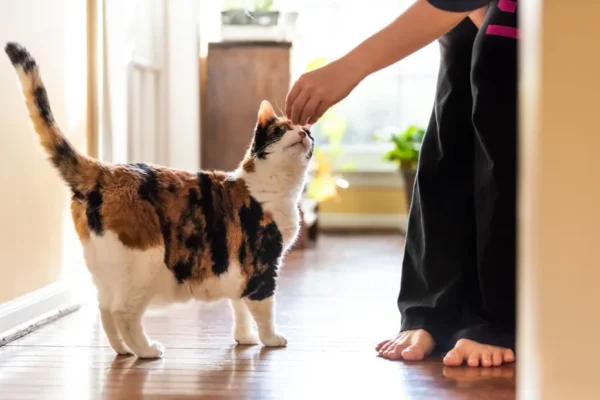
Consistency in your cat’s routine is vital. Cats often act out when they are bored, under-stimulated, or anxious due to changes in their environment or daily schedule. Stable mealtimes, regular play sessions, and a designated retreat space can alleviate underlying anxiety, which frequently contributes to biting behavior. Additionally, ensuring that a cat has ample opportunities to engage their predatory instincts throughout the day reduces the likelihood of redirecting that energy onto you in the evenings.
If biting persists despite your efforts, consult a veterinarian. Severe, sudden, or unresponsive biting may indicate underlying pain, illness, or unresolved stress. A vet can help eliminate medical issues and may suggest calming supplements or other interventions if anxiety is a significant concern.
Cat bites can be more serious than they appear. These small punctures close quickly but can trap harmful bacteria inside. The bacterium Pasteurella multocida is found in 70 to 90 percent of cats and is a common cause of bite infections. If bitten, press on the wound to promote flushing, wash it thoroughly with soap and water, dry it, and apply a dressing. Monitor for swelling, redness, oozing, increasing pain, or fever in the days following the incident. Any of these symptoms indicates that the infection is spreading and requires prompt medical attention.
Altering a cat’s biting habits takes time and consistency. However, with the right methods, it is entirely achievable at any age.
Featured Image Credit: Luis Echeverri Urrea, Shutterstock