Is Your Dog’s Paw Licking a Serious Health Warning?
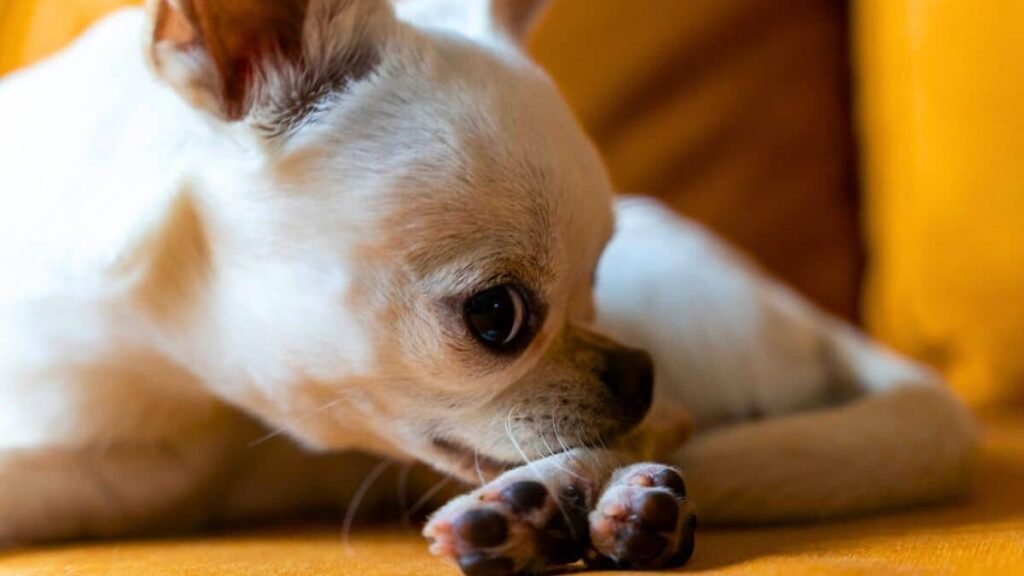
Recent veterinary research indicates that nearly 40% of pet dogs exhibit excessive paw licking, particularly during the colder months. What appears to be a benign grooming habit may actually reveal serious health concerns that many owners overlook. Recognizing these crucial signs can help prevent significant complications and alleviate suffering for our furry friends.
Many pet owners tend to dismiss their dog’s paw licking as mere grooming or a result of boredom. This common misunderstanding leads numerous families to overlook vital health signals that their cherished pets are desperately trying to communicate. Experts in veterinary medicine and animal behavior are now identifying paw licking as one of the most underestimated indicators in canine health assessment.
Environmental Factors Behind Excessive Paw Licking
The winter and fall seasons introduce specific challenges that directly affect the health of canine paws. Cold weather conditions create a combination of irritating elements that prompt dogs to lick their paws more than usual. During daily walks, substances like wet sidewalks, road salt, antifreeze residue, and harsh outdoor chemicals accumulate on their paw pads.
The constant shift from frigid outdoor temperatures to the warmth of indoor heating systems puts considerable stress on sensitive paw tissues. Moisture retention between toe pads fosters an environment conducive to bacterial growth and fungal infections. Harry Chapman, a prominent pet care expert, notes that statistics reveal significant spikes in paw-related issues during these seasons.
Furthermore, indoor environments exacerbate the issue through exposure to household cleaning agents, carpet chemicals, and floor treatments. Dogs walking on freshly cleaned surfaces can absorb these substances through their paws, triggering inflammatory reactions that result in persistent licking behaviors.
Health Issues Masked by Grooming Behavior
Allergic reactions are the most prevalent cause of excessive paw licking among domestic dogs. Food allergies, environmental irritants, and contact allergens can all lead to localized inflammation, resulting in intense itching. Often, pet owners misinterpret these allergic responses as simple grooming behaviors.
Bacterial and fungal infections can quickly develop in damp paw environments, especially between digital pads where airflow is limited. Such infections cause significant discomfort, leading to a cycle of compulsive licking that exacerbates the issue without appropriate intervention.
Parasitic infestations can also manifest as increased attention to the paws. Mites, fleas, and other tiny organisms often target the warm, sheltered areas between the toes. Dogs instinctively lick to relieve irritation, but this can inadvertently spread parasites to other parts of their bodies.
Effective Strategies for Paw Care
Implementing a regular paw care routine can significantly minimize the risk of developing severe health problems. Cleaning paws after walks should be a standard practice for conscientious pet owners, particularly during inclement weather.
Key preventive measures include:
- Thorough washing of paws with lukewarm water after outdoor excursions
- Comprehensive drying of all paw surfaces, including the spaces between the toes
- Regular trimming of excess fur around paw pads
- Applying protective balms prior to winter walks
- Weekly checks for cuts, swelling, or unusual odors
Professional grooming services offer additional layers of protection through specialized treatments and expert maintenance of paw pads. Quality protective balms establish moisture barriers that prevent chemical absorption while ensuring tissue flexibility remains intact.
When to Seek Veterinary Help
Differentiating between normal grooming behaviors and concerning licking requires close observation of frequency, duration, and related symptoms. Consultation with a veterinarian becomes crucial when licking episodes extend beyond typical grooming activities.
Signs that warrant immediate professional attention include visible wounds, persistent odors, swelling, limping, or changes in behavior during handling. Addressing these concerns early can stop minor irritations from escalating into serious infections requiring extensive treatment.
Responsible pet ownership involves being attentive to these subtle cues that dogs use to signal discomfort. Proactive management of health ensures that our canine companions receive timely care before minor issues evolve into major health crises necessitating emergency interventions.