
How Anti-Anxiety Medications Can Save Blocked Cats’ Lives
Catster relies on reader support. When you make a purchase through links on our website, we may earn a commission at no additional cost to you. Learn more.
Blocked cats represent one of the most frequent emergencies encountered in veterinary practice, particularly due to the potentially fatal obstruction of the male urethra. Research indicates that more than 25% of affected cats face death or euthanasia, with the likelihood of recurrence being a major contributing factor.1
Why Anti-Anxiety Medication is Essential
The initial weeks following a blockage can be incredibly stressful for both cats and their owners. With constant monitoring of litter box habits and emergency vet numbers on speed dial, it’s no surprise that veterinarians are turning to anti-anxiety medications. The focus, however, is primarily on the cats, not their owners.
Lorazepam: A Game Changer for Feline Health
Lorazepam, typically utilized for treating anxiety, seizures, and muscle spasms in humans, may emerge as a vital tool in combating recurrent urethral obstructions in male cats.
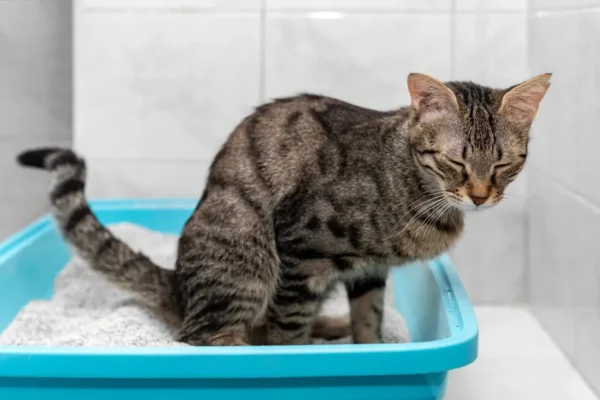
When a male cat is unable to urinate, immediate action is crucial. A blocked cat is in a life-threatening situation. If mucus, crystals, or other substances obstruct the urethra, urine cannot escape the bladder, leading to dangerous complications. As the bladder fills, toxins and electrolytes accumulate in the bloodstream, which can elevate potassium levels to hazardous levels, potentially resulting in metabolic acidosis, irregular heart rhythms, and other critical issues.
Stabilization and Aftercare Challenges
Fortunately, most blocked cats can be unblocked and stabilized with swift veterinary intervention. However, restoring normal urine flow is merely the first challenge. Many cats experience recurring blockages once home, especially during the initial weeks following hospitalization, resulting in additional complications, stress, and mounting vet bills.
Research Findings on Lorazepam’s Efficacy
A recent study published in the Journal of the American Veterinary Medical Association explored the effectiveness of lorazepam in reducing recurrent urethral obstructions in male cats after their first episode. The study found that none of the cats treated with lorazepam experienced a re-obstruction compared to 15.7% of those given a placebo.
Male cats are particularly susceptible to urinary blockages due to their long and narrow urethra, which contains sections made primarily of skeletal muscle. These muscles can tighten or spasm, making it more difficult for urine to pass.
Understanding the Causes of Blockage Recurrence
A blockage may initiate with mucus and crystal accumulation, but inflammation, swelling, pain, and muscle spasms can also contribute to the issue. This may explain why a cat remains at risk even after the initial blockage has been cleared. Though the physical obstruction may be gone, irritation of the urethra and tension in surrounding muscles can persist.
Recurrence is, unfortunately, common. One study revealed that 51% of cats developed urinary symptoms again after returning home, while 36% faced another blockage within 2-3 weeks. In these cases, some cats require more invasive surgical procedures, while others may be euthanized.
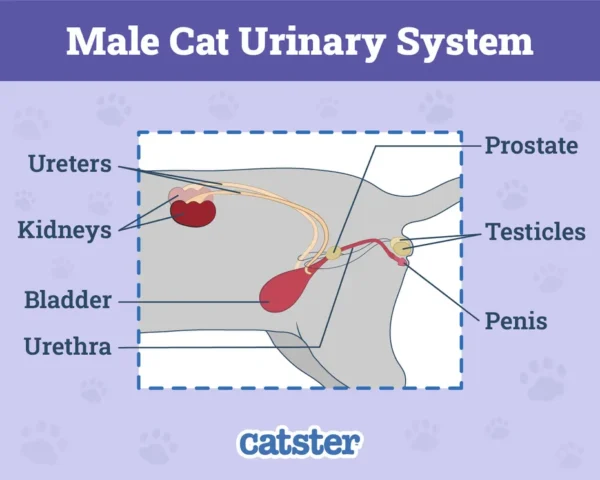
Traditional medications like prazosin and phenoxybenzamine have been used to relax smooth muscle in the feline urethra. However, since the sections of the male cat’s urethra where obstructions frequently occur consist largely of skeletal muscle, researchers speculated that a drug targeting skeletal muscle relaxation might be more effective.
Examining the Dual Benefits of Lorazepam
Lorazepam is classified as a benzodiazepine, already used in cats for its anxiety-reducing properties and its ability to relax skeletal muscles. An earlier study indicated that dantrolene, another muscle relaxant, diminished pressure in the postprostatic penile urethra of male cats with naturally occurring obstructions. While it does not confirm that lorazepam functions in the same manner, it provided researchers with a reason to investigate its effects further.
Given lorazepam’s ability to alleviate anxiety and muscle tension, the researchers aimed to determine whether it could effectively address both issues, particularly in relation to feline lower urinary tract disease.
The Study’s Design and Outcomes
The study involved 80 male cats experiencing their first urinary blockage. Cats with complications such as urinary tract infections or urinary stones were excluded, resulting in a more focused patient group.
Participants were randomly assigned to receive either 0.25 mg of lorazepam or a placebo every 12 hours for 30 days in a double-blind trial, ensuring that neither the owners nor the researchers knew which treatment was administered until the study’s conclusion.
All cats received standard post-blockage care, including a special urinary diet and guidance on water intake, environmental enrichment, interactions with other cats, and stress management. Additional medications could be provided as necessary.
Of the 80 cats that began the study, 72 completed it. During the 30-day observation period, five cats from the placebo group experienced a recurrence of blockage.
In contrast, none of the cats treated with lorazepam re-blocked while on the medication.
The lorazepam group also reported fewer urinary symptoms throughout the study, although the overall difference was not statistically significant.
Potential Side Effects and Future Directions
While it’s premature to declare lorazepam as a definitive solution for preventing urinary blockages from recurring, the findings are certainly promising.
Lorazepam was generally well-tolerated, though some side effects were noted. The most significant was ataxia, or unsteadiness, which occurred in 4 out of the 31 cats receiving the medication. Other reported effects included increased sleepiness, appetite, and vocalization.
It is important to note that nearly all cats also received gabapentin, which can also cause unsteadiness, making it challenging to attribute every case of ataxia solely to lorazepam.
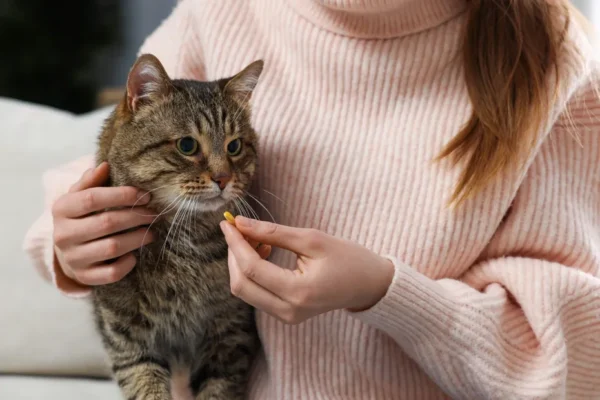
Urethral obstruction in cats is a complex condition, making it unrealistic to expect a one-size-fits-all solution. Nonetheless, this study offers encouraging results and emphasizes previously overlooked aspects of managing the condition.
If skeletal muscle spasms contribute to obstruction, targeting that muscle seems logical, especially during the vulnerable period when a cat is at risk of re-blocking. With stress recognized as a significant factor in feline lower urinary tract disease, utilizing a medication that addresses both stress and muscle tension is a rational approach.
Need for Further Research
Despite the promising nature of these findings, caution is warranted. The study was smaller than intended, comprising only 80 cats from a single university hospital; larger, multi-center studies are necessary to determine the broader applicability of these results.
Additionally, while recurrence was observed only in the placebo group, the overall rate was relatively low: 5 out of 39. Both groups received dietary and stress management advice, which may have independently contributed to the reduction in recurrence rates.
Thus, this study does not imply that lorazepam will universally prevent reobstruction or that every male cat with a urinary blockage should be treated with it.
However, it does provide valuable insights. It opens up new avenues of thought regarding recurrence prevention, particularly the potential benefits of relaxing skeletal muscle in the distal urethra for certain cats.
For cats that have already endured the pain and peril of a urinary blockage, and for owners who have witnessed the distressing event, preventing future occurrences is crucial. While lorazepam may not be a definitive cure, it certainly paves the way for promising new strategies in treating this life-threatening condition.
Feature Image Credit: New Africa, Shutterstock
Stay updated with timely news, insights, and valuable advice delivered right to your inbox.