
Healthy Treats for Dogs with Pancreatitis: What You Need to Know

For dog owners navigating the challenges of pancreatitis, understanding dietary restrictions is crucial for their furry friends’ recovery. If your dog has been diagnosed with pancreatitis, you’re likely aware of the significant dietary changes required to ensure their health and well-being.

Understanding Pancreatitis in Dogs
Pancreatitis is the inflammation of the pancreas, a vital organ located between the stomach and small intestine. This condition can lead to severe health complications, making it essential for pet owners to grasp its implications fully.

The pancreas has two primary functions: the endocrine function, which regulates blood sugar levels through insulin production, and the exocrine function, responsible for producing digestive enzymes. When these enzymes are activated prematurely, they can attack the pancreas itself, causing inflammation and pain.

Symptoms of pancreatitis can range from mild discomfort to severe pain, vomiting, and loss of appetite. In extreme cases, it can lead to serious complications, such as infections, necessitating immediate veterinary attention.

Dietary Considerations for Dogs with Pancreatitis
Managing a dog’s diet after a pancreatitis diagnosis is vital to prevent future episodes. Traditional treats are generally off-limits, including popular options like milk bones and bacon bites. Instead, pet owners can explore healthier alternatives that can still provide a rewarding experience for their dogs.

Whether your dog is recovering from recent pancreatitis or has a history of the condition, it’s crucial to keep their diet low in fat and calories. Thankfully, numerous fruits and vegetables are safe and beneficial for dogs, but portion control is essential, particularly with sugary fruits.
Fresh produce is ideal, and if your dog prefers cooked vegetables, steaming or blanching them preserves most nutrients while making them more palatable. Treats should never constitute more than 10% of your dog’s daily food intake.
Creative Fruit and Vegetable Treat Ideas
To help you provide tasty, healthy snacks, here are some simple recipes and ideas suitable for dogs recovering from pancreatitis. Always wash fruits and vegetables thoroughly before preparation, and be sure to remove any seeds, pits, or tough skins.
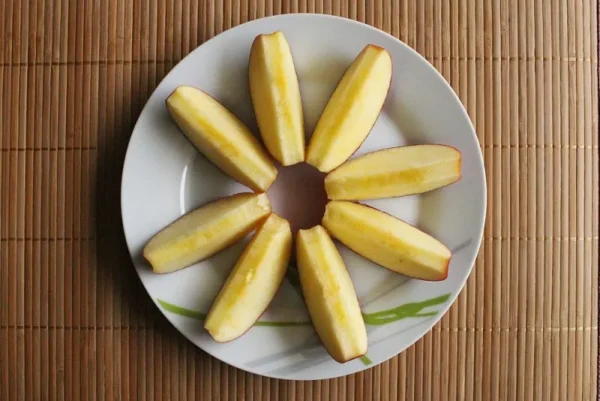
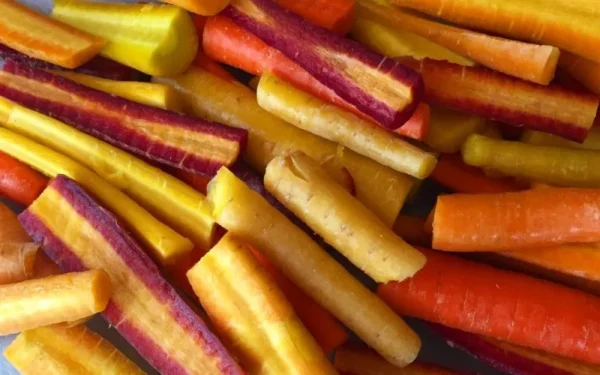
One option is to stir in a teaspoon of fat-free, plain Greek yogurt for a special treat. Another easy idea is to prepare carrot and celery batons, cut into 2-inch long pieces. For variety, you can also include zucchini or bell peppers.
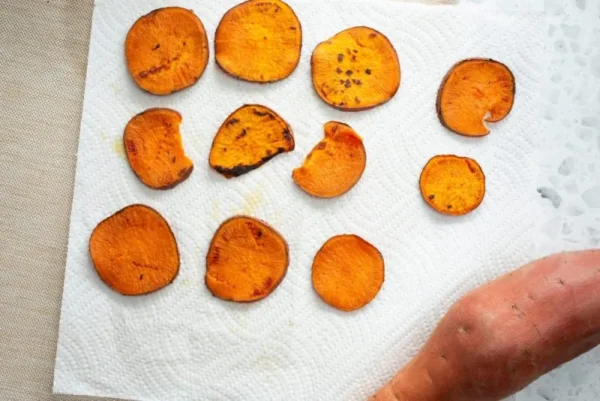
For sweet potato chips, peel a small sweet potato, slice it thinly, and bake in a hot oven until lightly browned. This can also be done with purple yam. An air fryer is another great option to prepare these tasty treats without added oils or seasonings.
For a refreshing summer snack, freeze small fruits like blueberries, strawberries, or raspberries in an ice cube tray filled with water. These frozen treats are perfect for hot days and can help keep your dog cool.

Consulting Your Veterinarian
When managing a dog with pancreatitis, it is essential to provide them with the right nutrition while exploring healthy treat options. Always consult with your veterinarian before introducing any new foods, ensuring your dog has fully recovered from pancreatitis first.
Each dog has unique tastes, and it may take time to discover which fruits or vegetables they enjoy. Remember, the experience of receiving a treat can be just as significant as the treat itself; offering small portions of their regular food with praise can be just as rewarding as offering commercial treats.
Pancreatitis can pose serious risks to your dog’s health, making it crucial to adhere to your vet’s recommendations. Monitor for any signs of discomfort or nausea when trying new foods.
Featured Image Credit: heathergunn, Pixabay
Stay informed with expert pet care insights delivered straight to your inbox! Discover professional guidance on animal behavior, feeding tips, trusted product picks, and much more.