Expert Tips for Storing Homemade Cat Food Safely!

Catster is reader-supported. When you buy via links on our site, we may earn an affiliate commission at no cost to you. Learn more.

Are you considering homemade cat food or have you already prepared some? It’s essential to know the safest and most effective methods for storing that food.
Storage Methods for Homemade Cat Food
There are a few key strategies for storing your homemade cat food, and we’ve put together this guide to help you make informed choices about keeping your pet’s meals fresh.

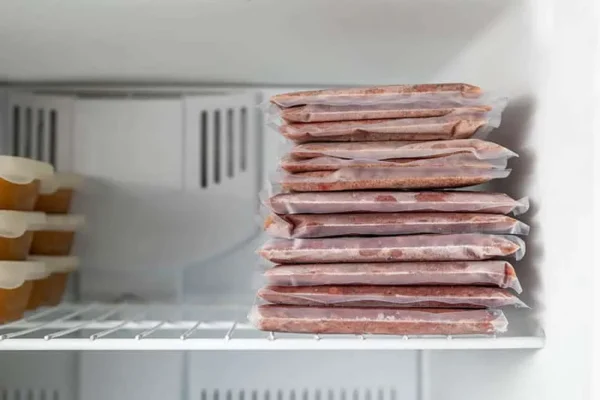
Freezing: The Best Long-Term Solution
Freezing your homemade cat food stands out as the best option for long-term storage. This method allows you to keep food fresh for an extended period, and most cat food recipes freeze remarkably well. It is also a convenient way to prepare meals in bulk, simplifying both shopping and meal planning.
Many commercial diets are designed to be freezer-friendly and come with clear instructions for thawing them before serving your cat. This convenience makes freezing an attractive option for pet owners.
Drawbacks of Freezing Food
However, freezing isn’t without its challenges. One major drawback is the time needed for thawing, which requires some planning. Additionally, freezing and defrosting meat can lead to moisture loss, resulting in a less hydrating meal for your cat compared to fresh food.
Flavor can also be affected during the freezing process, which may deter picky eaters. Furthermore, improperly sealed food may suffer from freezer burn, which, while not necessarily harmful, can alter the taste negatively.
When traveling with frozen food, it can begin to thaw before you reach your destination. Utilizing an insulated ice box is recommended for transporting frozen meals.
Lastly, while rare, a power outage can lead to significant loss if a freezer stocked with food fails. Investing in a backup power supply is wise for freezers that hold large quantities of food, as the risk of losing everything is greater than with smaller refrigeration units.
The Benefits of Refrigeration
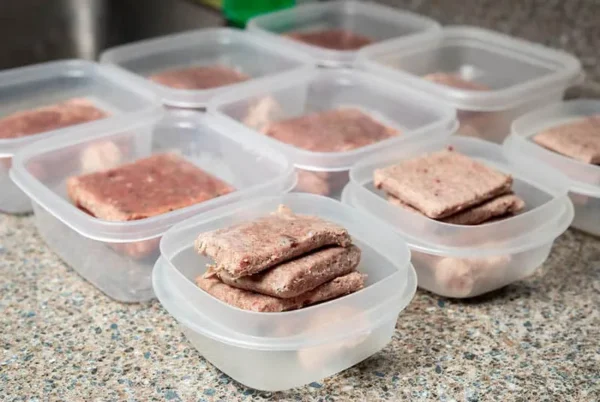
Refrigeration is a straightforward preservation method. It maintains food at lower temperatures, which is effective for short-term storage. Unlike freezing, food in the refrigerator does not require thawing before serving, and its moisture content is better preserved.
The Role of Chillers
An option between refrigeration and freezing is the use of a chiller. This device keeps foods cooler than a refrigerator but not quite as cold as a freezer. Chill methods are optimal for liquids, making them suitable for meals prepared in broth or gravy.
Chillers operate differently than refrigerators; they actively remove heat from liquids, which can be advantageous for certain food types. Some refrigerators include a built-in chiller compartment, but for larger food quantities, a standalone chiller may be necessary. However, many find it hard to justify the purchase for this specific purpose.
Vacuum Sealing: A Smart Preservation Method
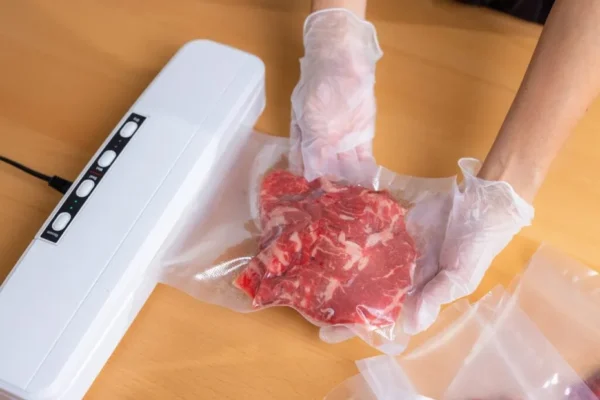
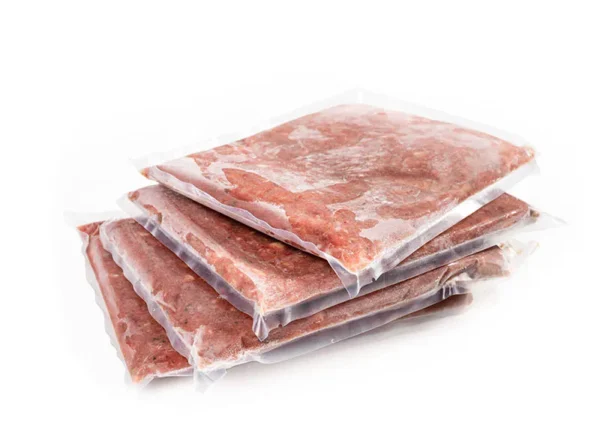
Another effective way to store food is through vacuum sealing. This method preserves moisture, flavor, and juices, making it a favorite among pet owners with finicky cats.
Vacuum-sealed foods can last 1–2 weeks in the refrigerator, significantly longer than food in an airtight container, which typically lasts only 3–5 days. Even in the pantry, vacuum-sealed items can remain fresh three to five times longer than those in conventional packaging.
This method also allows for resealable bags, enabling you to portion your cat’s meals conveniently throughout the day and saving space compared to individually packed meals.
Vacuum sealing can be combined with other storage methods for extended freshness. The main downside is the initial investment in vacuum sealing equipment, but it’s often worth it in the long run.

What Can and Can’t Be Frozen?
Most homemade cat foods without high liquid content are safe to freeze. However, avoid freezing items in sealed containers that contain liquids, like whole eggs or kitten formula, as freezing expands the liquid and can break the container.
While many foods can be frozen, not all will retain the same nutritional quality after thawing, particularly due to moisture loss. It’s best to keep homemade cat food frozen for about four months, as nutrients can begin to degrade after that time. Although it won’t become toxic, the food’s quality will diminish, so it’s advisable not to prepare more than four months’ worth at once. Vacuum-sealed foods can last up to six months without significant nutritional loss, depending on the recipe.
Thawing Techniques for Frozen Cat Food
Thawing homemade cat food can be tricky. The safest method is to place the food in the refrigerator overnight or for up to two days, depending on the quantity and your fridge’s temperature settings.
You can also thaw food in cold water, allowing it to reach room temperature gradually. This method is quicker than refrigeration but still safer than microwave thawing.
The microwave is another option, but it requires following specific guidelines based on the product, as different microwaves have varying settings for defrosting. This method can expedite the thawing process while ensuring safety.
Choosing the Right Container for Freezing
When it comes to freezing cat food, various containers can be used, and the best choice depends on your serving needs. Baking sheets are popular because they allow you to portion the food into patties for easy meal preparation. Once frozen, you can transfer the food into a freezer-safe container, such as a sealing bag or a plastic container. Ice cube trays and muffin tins are also practical options for portioning.
For refrigeration, any container with a cover will suffice, as it prevents premature spoilage. Plastic wrap over a bowl or a plastic container with a lid works well. Airtight containers are preferred for their versatility and durability, as many are microwave and dishwasher-safe.
The downside of refrigeration is its limited shelf life; it’s recommended to use refrigerated cat food within 2–3 days for optimal freshness.

Conclusion: Making Storage Simple
Storing homemade cat food is easier than you may think. A combination of vacuum sealing and cooling methods—whether refrigeration, chilling, or freezing—provides the best options based on the type of food you’ve prepared. For long-term storage, freezing is ideal for larger batches, while refrigeration is best for short-term use.
Featured Image Credit: Swingout, Shutterstock
News, insights, and useful advice, delivered to you.