Essential Feeding Guide for Your New Puppy

iHeartDogs is reader-supported. When you buy via links on our site, we may earn an affiliate commission at no extra cost to you.
Welcoming a new puppy into your home is filled with joy, cuddles, playful antics, and the delightful aroma of puppy breath.
These little furballs fill our lives with immense happiness, and as pet owners, it is our responsibility to provide them with the best care possible. Ensuring your puppy’s health and happiness starts with understanding their nutritional needs from day one. This foundational aspect is crucial for raising a puppy that will grow into a healthy, vibrant adult dog. To delve deeper into the essentials of puppy nutrition, we consulted Dr. Justin Shmalberg, DVM, a Board Certified Veterinary Nutritionist at Nom Nom, for professional insights.

The Significance of Appropriate Puppy Nutrition
Feeding your puppy the right combination and portion of nutrients is essential to ensure they develop optimally. Puppies undergo rapid physical and mental growth during their early stages, similar to human infants. What you choose to feed your puppy can either support or hinder their development.
“Brain, organ, and bone development occurs rapidly in puppies and sets the foundation for normal function and health throughout a dog’s life,” says Dr. Shmalberg.
“Insufficient nutrients can lead to deficiencies, but overfeeding certain nutrients can result in lifelong complications,” he warns.
Essential nutrients, including DHA and calcium, play a vital role in a puppy’s proper growth and have been shown to positively influence a dog’s overall health. DHA, a long-chain fatty acid found in fish oil, exemplifies how specific nutrients can have lasting benefits. It has been linked to healthy brain development, enhancing learning and memory capabilities in dogs.
Calcium is crucial for bone growth, but pet owners must be cautious about not providing excessive amounts of this nutrient. “If a large breed dog consumes too much calcium, it could lead to abnormal bone growth and future health issues,” Dr. Shmalberg elaborates.

Determining Puppy Feeding Amounts by Weight
Understanding the significance of proper nutrients in your puppy’s diet prompts the question: how much should you feed them? This can be particularly confusing in the early years, as feeding guidelines on food packaging are usually based on weight. Given that your puppy is constantly growing and changing, should you frequently adjust their food intake? Not necessarily, according to Dr. Shmalberg.
“To ensure normal growth, most puppies should receive a consistent number of calories and food from around 4 months to 12 months of age,” he explains. “Despite their growth, they require fewer calories for growth as they mature, which consumes substantial energy.”
Dr. Shmalberg and Nom Nom recommend assessing two key factors to determine your puppy’s feeding amounts: estimated adult weight and body condition.
For estimating adult weight, the size of the same-sex parent serves as the best indicator, although this may not be applicable for many adopted dogs. Consult your veterinarian for an estimate based on your puppy’s current age and possible breed mix. This estimated adult weight can then guide you in determining daily caloric needs.
In evaluating body condition, adjust the food quantity based on whether your puppy appears underweight or overweight. This is another discussion to have with your veterinarian.
Establishing Puppy Feeding Schedules
Puppies experience rapid growth during their early life stages. This growth rate eventually slows down as they transition into adulthood, making it challenging to determine their feeding frequency. With the assistance of Nom Nom, we can outline specific feeding schedules according to your puppy’s age.
From Birth to 3 Months
Puppies up to 3 months old typically manage their food intake well. Accustomed to nursing from their mother or bottle, they maintain this feeding pattern as they begin transitioning to solid food. They will eat when hungry and stop when full.
During this initial phase, it is acceptable to leave a bowl of food out for them to nibble throughout the day. If you prefer to establish a feeding routine, consider offering food about four times daily during this rapid growth stage.
4-6 Months Old
At around 4 to 6 months, your puppy’s appetite may surge. It is crucial to monitor their body condition during these months to prevent overfeeding and potential weight issues. During this period, your puppy should be fed three times daily around four months old, transitioning to twice a day by six months.

6-12 Months Old
As your puppy reaches 6 to 12 months, you can begin implementing a twice-a-day feeding schedule that continues into adulthood. Typically, smaller breeds complete their growth cycles sooner than larger ones, which is an important consideration when adjusting feeding schedules.
For instance, a Pomeranian may reach full size around 6 months, while a Labrador will keep growing past 12 months, and giant breeds like Great Danes may continue to grow until about 2 years old. For larger breeds, it is advisable to start feeding food with controlled calcium levels, commonly found in large breed puppy formulas or those suitable for all life stages.
12-18 Months Old
By the time your dog reaches 18 months, most breeds are considered adults, with the exception of giant breeds. At this stage, you should be accustomed to feeding your puppy twice a day and transitioning them to an adult dog food diet. Puppies tend to be very active, but as they mature into adulthood, their activity levels may decrease, leading to longer naps. Monitor your dog’s body condition at this time and be prepared to adjust food portions according to their activity levels.
“If you’re feeding an ‘all life stages’ food, there’s no need to change it—just ensure you’re mindful of portion sizes,” advises Dr. Shmalberg.

Comparing Caloric Content: Kibble vs. Fresh Food
With a plethora of dog food options available, it’s crucial to recognize that not all calories are equal. The caloric density of dog food can vary significantly based on ingredient quality, nutrient composition, and cooking methods, all of which contribute to the calorie count in your dog’s bowl. A cup of kibble can differ greatly in caloric content from a cup of fresh food. Generally, fresh foods that are gently cooked using high-quality ingredients tend to offer more nutrients per calorie compared to kibble made from lower-quality components.
What does this mean for your puppy?
In general, fresh dog food is often much easier to digest than processed kibble or wet food, thanks to the quality of ingredients used. When your puppy consumes fresh dog food, they can derive more energy and nutrients from smaller portions.
“Some foods may be more digestible than others and provide calories that are more accessible due to better breakdown during digestion,” explains Dr. Shmalberg. “Both fresh and kibble foods vary widely in terms of ingredients and fiber content, but cooked foods tend to be more digestible.”
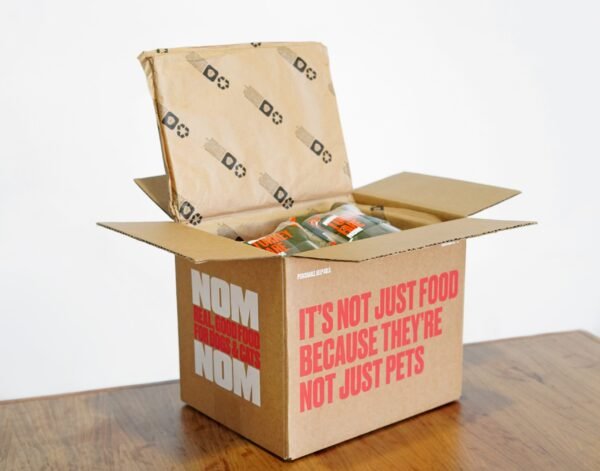
Fresh Food Diet for Every Stage of Your Puppy’s Development
Families that transition from traditional dry and wet dog foods to a fresh diet often report numerous positive changes in their puppies. These include shinier coats with less shedding, smaller and firmer stools, increased enthusiasm during meal times, and an overall boost in well-being. This improvement is likely due to the puppy’s body being more efficient in absorbing and utilizing the nutrients found in freshly prepared, kitchen-cooked meals.
Nom Nom expertly formulates and portions your puppy’s meals, meticulously controlling nutrients and calories throughout every phase of their growth and adulthood. By regularly updating your puppy’s profile on the Nom Nom website, you can ensure that each meal they consume is perfectly tailored to support their journey to a healthy and happy adulthood.