
Top 5 Dental Diseases in Dogs: Essential Signs and Care
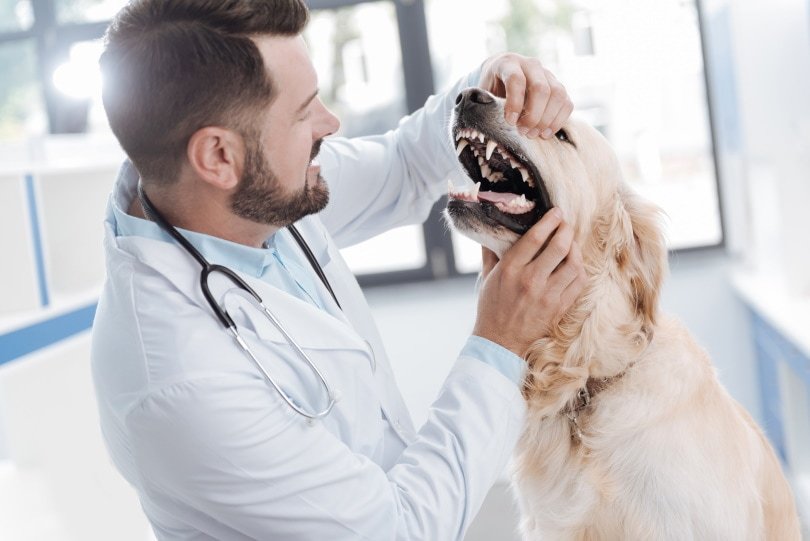
Understanding dental diseases is vital for dog owners, as these conditions are not only prevalent but can also lead to severe complications. According to veterinarians, recognizing the signs early can prevent issues like facial abscesses and sinus infections. This article explores the five most common dental diseases affecting dogs, detailing their causes, treatments, and prognoses.
The Importance of Dental Health in Dogs
Dental care is essential, with routine home care and annual veterinary exams being crucial for maintaining your dog’s oral health. Being observant of early signs can help identify dental diseases before they escalate.
Common Dental Diseases in Dogs
Below are the five prevalent dental diseases in dogs, along with their causes, treatments, and outcomes.

1. Gingivitis (Gum Disease)
Gingivitis, also referred to as periodontal disease, is characterized by inflamed or bleeding gums, mirroring similar issues in humans. Unfortunately, flossing isn’t an option for dogs!
Causes: This condition can arise from bacterial infections, plaque buildup, or viral reactions.
Treatments: Treatment focuses on reducing inflammation through antibiotic therapy and pain relief, with dental cleaning being the primary intervention.
Prognosis: Generally, gingivitis treatment is effective, especially in uncomplicated cases.
2. Developmental Dental Issues
Puppies may face various dental problems due to improper development, including overbites, underbites, and misaligned teeth.
Causes: Genetic factors can contribute, but many cases remain unexplained. Breed standards often affect dental structure.
Treatment: Some issues may require the removal of extra or retained teeth, while more complex genetic issues are challenging to treat.
Prognosis: The outcome depends on the specific developmental problem.
3. Oral Trauma
Dogs frequently experience mouth trauma from accidents, which can lead to various dental issues.
Causes: Traumatic injuries can stem from blunt force impacts, penetrating wounds, or chewing on hard objects.
Treatments: Treatment involves addressing the trauma, which may include surgery for severe cases, along with pain management and antibiotics.
Prognosis: Most treatments are effective, although recovery can be lengthy in severe cases.

4. Fractured Teeth
Fractured teeth are common among dogs that chew on inappropriate items.
Causes: Chewing hard objects, such as bones and stones, can lead to fractures.
Treatments: Typically, fractured teeth are extracted; however, root canals may be an option for preserving the tooth if the fracture does not affect the pulp.
Prognosis: Generally, the prognosis is favorable, as both extractions and root canals are effective.
5. Dental Abscesses
Abscesses are infections that often arise from infected teeth and can lead to serious health concerns.
Causes: Infected tooth roots are the most common source of abscesses in dogs.
Treatments: Pain relief and antibiotics are standard treatments; if these fail, surgical intervention may be necessary.
Prognosis: Most infections respond well to treatment, and long-term outcomes are generally positive.
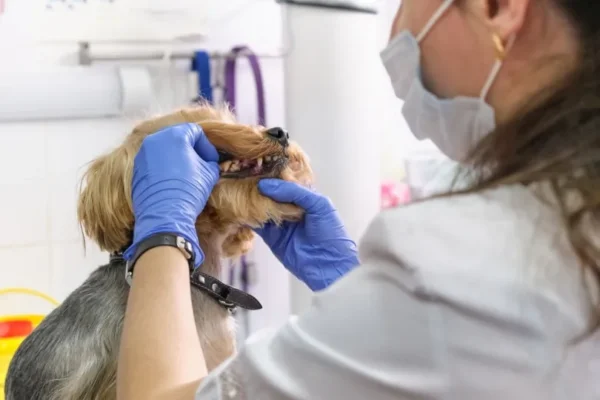

Recognizing Signs of Oral Pain
It’s crucial to be able to identify signs of oral discomfort in your dog to ensure timely veterinary intervention.
Homecare Tips for Optimal Dental Health
Implementing regular dental care routines at home can significantly improve and maintain your dog’s oral health.
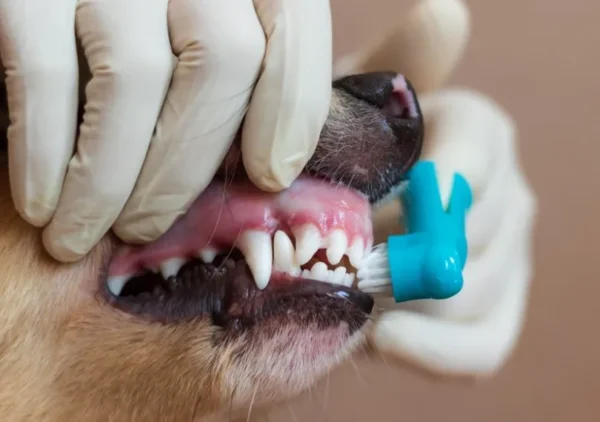

Dental diseases are prevalent among dogs, regardless of age. Being aware of early warning signs can be crucial in addressing potential problems before they escalate into more serious health issues. Regular veterinary check-ups are essential for the early detection of oral health concerns.
Featured Image Credit: VIACHESLAV, Shutterstock