
Understanding Your Cat’s Unexpected Bites: Key Insights

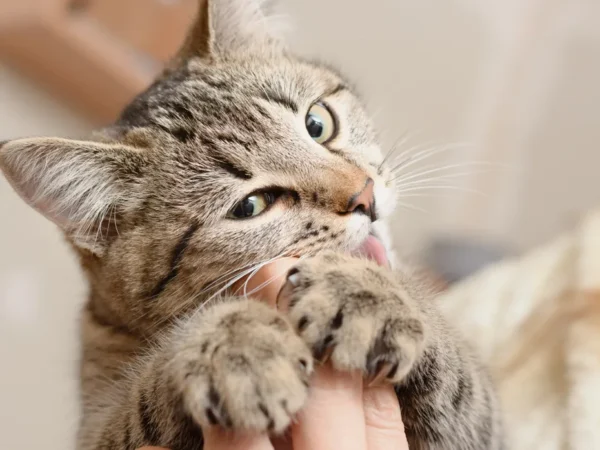
Experiencing a sudden cat bite can be bewildering for pet owners. While one moment your feline is seeking affection, the next moment you’re faced with sharp teeth. These seemingly random bites often have deeper meanings rooted in feline communication, even if they seem unprovoked at first glance.

Deciphering Feline Communication
Understanding why your cat bites is crucial. In many cases, a nip can be akin to a gentle tap on your shoulder, signaling that they need your attention. If your cat feels neglected, a soft bite may serve as a request for interaction, especially if accompanied by purring or a relaxed demeanor.
This behavior doesn’t necessarily indicate aggression; rather, it’s their peculiar way of saying, “Hey, I’m right here!”
From Playfulness to Pouncing
Cats can rapidly switch to play mode, and a sudden bite might signal the start of a game rather than an aggressive act. It’s essential to redirect this playful energy towards appropriate toys to prevent your hands from becoming targets. Engaging them with interactive toys can satisfy their instincts for stalking and pouncing, while also ensuring your fingers remain unscathed.
Understanding Startle Responses
Some cats are more easily startled than others. An unexpected touch or movement might provoke a defensive bite. In such cases, the bite isn’t born out of anger but rather surprise, where your cat reacts instinctively before assessing the situation.
To mitigate this, give your cat ample space and avoid forcing interactions. Allow them to approach you at their own pace, which can significantly reduce the likelihood of surprise bites.
Affection or Aggression?
Interestingly, a cat’s display of affection can sometimes manifest as a gentle bite. While they may appear to be cuddling, purring, or kneading, it’s possible that they express their closeness through this behavior. However, distinguishing between a playful nibble and a genuine bite is crucial. If your cat is otherwise relaxed, a soft bite might not carry any negative intent.
Rather than retaliating or punishing your cat, observe their body language closely to identify when a playful interaction is becoming overwhelming for them.
Recognizing Threats and Changes
Not every bite is a harmless display of affection. A cat that displays signs of tension, irritability, or aggression may be responding to a perceived threat. These bites can be forceful and deserve careful consideration. Recent changes in their environment, such as new pets or alterations in routine, can influence a cat’s behavior.

Pain as a Factor
If your cat bites when you touch a specific area, consider the possibility of pain. Conditions like sore muscles, injuries, or dental issues can cause a normally friendly cat to react defensively. Since cats are adept at hiding discomfort, signs of pain may only become apparent when you touch a sensitive spot.
In these cases, training is not the solution. If biting behavior is new or unusually intense, especially when touching specific areas, a visit to the veterinarian is advisable to rule out underlying health issues.
Healthy Interaction Strategies
Physical punishment is never a remedy for biting. Actions such as hitting or swatting can heighten fear and stress, potentially worsening unwanted behaviors. Even dramatic reactions can misinterpret signals; for instance, jerking your hand away during play could turn it into an exciting chase game.
Instead, provide healthy outlets for your cat’s energy. Ensure they have access to toys, engage in interactive play to promote healthy hunting instincts, and keep them mentally stimulated throughout the day.

Socialization Matters
Cats separated from their mothers or littermates too early may struggle with biting and scratching during play due to a lack of socialization. Kittens learn the limits of play through interactions with their peers. If you have a cat that tends to play rough, introducing another cat could help them learn appropriate play behavior.
It’s also vital to respect your cat’s boundaries. While some enjoy extended petting sessions, others may prefer brief interactions followed by personal space. A bite can be their way of communicating that they’ve had enough.
When to Seek Professional Help
Don’t dismiss a new biting habit as merely a quirk. If you’re unable to determine the cause of your cat’s biting—especially if it’s related to touch—consulting with a veterinarian is a prudent step.
What might appear as an erratic bite could be your cat attempting to convey an important message. Once you learn the signs, those teeth that seem to “come out of nowhere” will start to make a lot more sense.
Featured Image Credit: Marina Demeshko, Shutterstock
Stay updated with insights and tips for a better understanding of your feline companions.