
Essential Insights on Dog Skin Cancer Every Owner Must Know
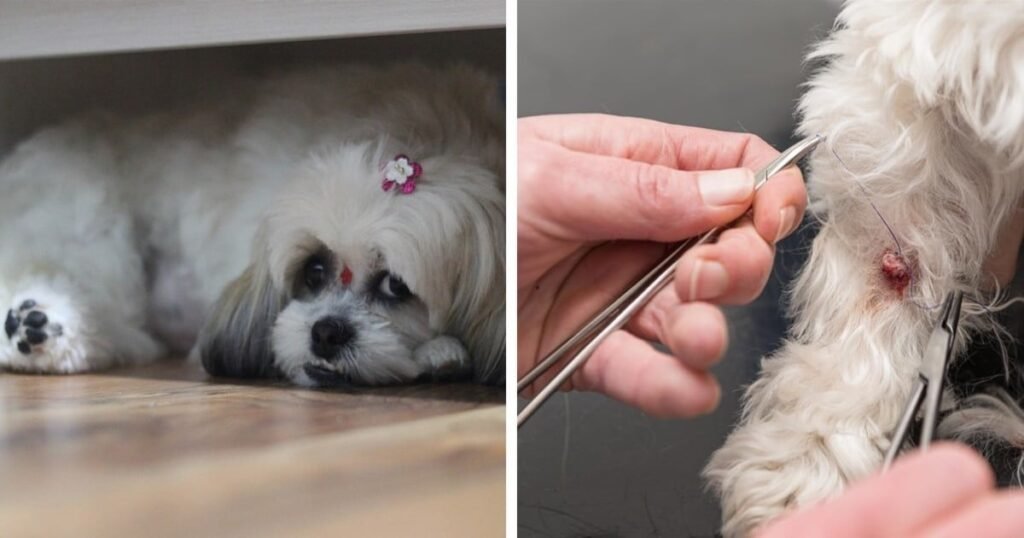
Did you know that skin growths are the most prevalent tumors found in dogs? While not every growth is cancerous, those that are can exhibit aggressive behavior. Understanding the risk factors, symptoms, and preventive measures associated with dog skin cancer is crucial for effectively protecting your furry friend.

Identifying the Types of Dog Skin Cancer
There are three primary types of skin cancer commonly diagnosed in dogs:
Malignant Melanoma
This cancer targets the pigmented cells in the skin known as melanocytes. While many tumors in these cells are benign, others can grow rapidly and spread to vital organs such as the liver and lungs. Benign melanomas, referred to as melanocytomas, usually appear in hair-covered areas of the dog’s skin, while most malignant melanomas are found in or around the mouth. Factors such as trauma and compulsive licking may contribute to the swift cell growth seen in melanomas, alongside a genetic predisposition.
Squamous Cell Carcinoma
Typically manifesting as raised white lumps, these malignant tumors can appear on the skin, nail beds, or inside the mouth. Sun exposure is a common cause, but certain dogs may also develop this cancer due to the papillomavirus. Although squamous cell carcinomas do not metastasize to nearby lymph nodes, their aggressive nature often necessitates extensive surgical margins for removal.
Mast Cell Tumors
Mast cell tumors are the most frequently observed skin cancers in dogs. The precise cause remains unknown, but they are associated with skin inflammation, irritants, and genetic factors. Additionally, hormonal influences from estrogen and progesterone may impact tumor development.

Understanding the Risk Factors
Sun Exposure
Like humans, dogs are also susceptible to skin cancers caused by sun exposure. Even though most dogs have fur, sunlight can penetrate their coats, causing harm to less protected areas such as the nose and ears. Hairless and short-haired breeds are particularly vulnerable to excessive sun exposure.
Breed Predispositions
While any dog can develop skin cancer, certain breeds show a genetic tendency towards specific types:
Malignant Melanomas are most commonly found in black dogs, notably Scottish Terriers and Schnauzers. Breeds like Vizslas, Miniature Schnauzers, Doberman Pinschers, Airedale Terriers, and Chesapeake Bay Retrievers are prone to benign melanomas.
Squamous Cell Carcinomas are more prevalent in short-coated dogs with light skin, with Keeshonds, Standard Schnauzers, Basset Hounds, Collies, Dalmatians, Bull Terriers, and Beagles aged six to ten years being particularly affected.
Mast Cell Tumors are frequently observed in Boxers and Pugs, with occasional occurrences in Boston Terriers, Labrador Retrievers, Beagles, and Schnauzers.

Recognizing the Signs of Dog Skin Cancer
The visual indicators of dog skin cancer can vary based on the specific type of cancer present. Even veterinarians sometimes struggle to distinguish malignant growths from benign ones, making it imperative to have any new or changing growths evaluated and biopsied.
However, here are some guidelines to help identify a suspicious mass:
- Malignant Melanomas are often found on the lips, inside the mouth, and on the nail beds and pads of the feet.
- Squamous Cell Carcinomas resemble warts and tend to develop on the abdomen, around the genitals, and occasionally on the feet.
- Mast Cell Tumors typically appear on the trunk of the body and sometimes on the legs.

Available Treatment Options
Surgical removal is the standard treatment for all types of dog skin cancer, tailored to each individual case. If a tumor is located in a challenging area or has metastasized to lymph nodes, additional interventions such as chemotherapy, radiation, or oral medications may be required.
Additionally, there is a therapeutic DNA vaccine that stimulates the dog’s immune system to attack tumor cells, showing promising results in extending the survival of dogs with oral melanoma.
Protecting Your Dog from Skin Cancer
Use of Sunscreen
Dogs with thin coats and lighter skin require extra sun protection compared to their thicker-coated counterparts. However, it’s crucial not to use any human-grade sunscreen, as some ingredients can be toxic to dogs.
“Sunscreens containing zinc oxide can severely harm a dog’s intestines if ingested, leading to bloody diarrhea and vomiting, which indicates intestinal damage,” warns veterinarian Rachel Barrack.
Choose a sunscreen formulated specifically for dogs. The product review website, Pet Life Today, has curated a list of The 25 Best Dog Sunscreens of 2020.
Unsure if your dog needs sunscreen? Consult with your veterinarian, who can help evaluate your dog’s risk, recommend an appropriate product, and instruct you on proper application techniques.
Staying Vigilant
It’s important to remember that over 50% of the lumps, bumps, and lesions that dogs develop are non-cancerous, and older dogs are particularly susceptible to benign warts and cysts. Nonetheless, the only definitive way to rule out dog skin cancer is through a veterinary examination and biopsy. Even if your dog’s growths are determined to be benign, ongoing monitoring for changes in size, color, discharge, and other factors is essential. Regular at-home inspections are the best way to ensure your pup’s continued health.