
5 Homemade Recipes to Help Cats with Kidney Disease Thrive

If your cat has been diagnosed with chronic kidney disease or kidney failure, exploring ways to enhance their quality of life becomes essential. The kidneys play a crucial role in filtering waste from the bloodstream, regulating blood pressure, producing vital hormones, and facilitating the creation of new blood cells. While kidney disease typically cannot be reversed, its progression can be managed effectively through dietary changes.
Understanding Kidney Disease in Cats
Cats are particularly vulnerable to renal disease due to their high protein needs and sensitivity to various substances compared to other pets, such as dogs. To prevent further kidney damage, it’s crucial to provide a diet that is low in protein and phosphorus, while also maintaining low sodium levels. However, protein intake should not dip below the recommended levels to avoid muscle loss.
The following table illustrates the nutrient requirements for cats with kidney disease in comparison to healthy cats, as per AAFCO guidelines:

Note: The values mentioned are based on “dry matter” (DM) calculations.
Commercial vs. Homemade Diets
While there are many commercially available diets tailored for cats with renal issues, some pet owners may opt for homemade alternatives. Crafting nutrition-rich homemade meals can be challenging without lab analysis to confirm their nutritional adequacy. Nevertheless, with careful ingredient selection and measurement, you can create meals that meet your cat’s needs. It’s important to note that some studies indicate home-prepared diets may not provide sufficient nutritional levels, as these can vary based on preparation methods and ingredient sources.
Consulting a veterinarian before transitioning to homemade diets is highly advisable. If concerns arise regarding the appropriateness of homemade food, consider researching pre-prepared renal diet options.
Recipes You Can Try at Home
Before diving into recipes, it’s essential to highlight that certain diets, such as fresh food diets, are typically unsuitable for cats with kidney disease due to their high protein content. The same goes for raw feeding.
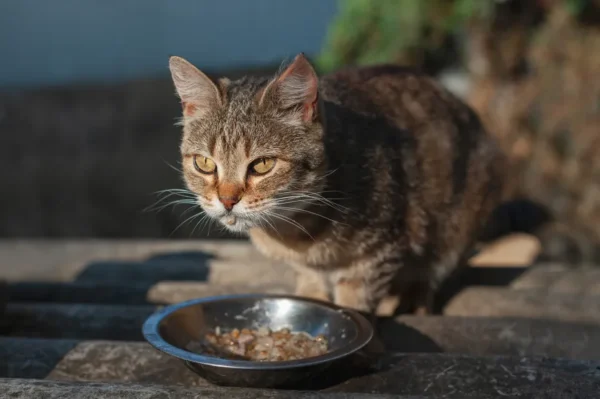
Here’s a simple recipe with limited ingredients that can make meal prep a breeze:
Combine all ingredients well. Cook in a pre-heated skillet over low heat, stirring constantly until the egg is soft yet fully cooked. Allow it to cool, then portion it into airtight containers. Use refrigerated portions within 36 hours or freeze them for later. Add fish oil supplement just before serving for an extra flavor boost.
This next recipe incorporates a mix of meats that your cat will likely find irresistible, including organ meats. These ingredients mimic a natural diet your cat would consume in the wild and are advantageous for cats without kidney issues.
When serving your carefully prepared homemade meals, consider a stylish presentation. The Hepper NomNom Cat Bowl offers dual stainless steel bowls that are wide and shallow for ultimate comfort, paired with an elegant tray to catch any mess. Discover more about the NomNom Bowl here.

Additional Nutritional Considerations
This recipe includes some essential vitamins alongside human-grade ingredients. Cat vitamins and minerals are accessible but should be approved by a veterinarian before being added to your cat’s meals. There is also another recipe available on this blog for cats requiring a restricted mineral or sodium diet, often aligned with renal dietary needs.
For those cats with food allergies, rabbit is a fantastic choice, typically considered a novel protein for many felines. This lean meat is suitable for overweight cats, but if your cat is underweight, consider adding an extra tablespoon of oil to the recipe.
The recipe can also be made in larger batches and frozen for convenience:
Chop the liver and rabbit meat into small pieces, lightly braising them in water and oil until cooked but not overdone. Incorporate sweet potato and peas, cooking for an additional five minutes. Add cornstarch only if needed to thicken the mixture.
After cooling, divide into 3-4 portions according to your cat’s needs. This recipe yields about 800 kcal in total.
Managing Kidney Disease
Sadly, kidney disease is often incurable, and the focus should be on slowing its progression. This involves a combination of specific supplements, medical treatments, and specialized diets. Regular monitoring by a veterinarian is crucial to adjust treatments and dietary plans as the disease advances.
Dietary therapy is the most effective treatment for cats with renal disease. A specialized renal diet can significantly enhance the lifespan of cats suffering from chronic kidney conditions.
Generally, cats with kidney disease require high moisture content, reduced protein, non-acidifying sodium and phosphate, along with increased potassium and vitamin B. However, it’s vital that these diets are palatable and high in calories, as kidney disease often leads to decreased appetite.
Making Dietary Changes
It’s imperative to avoid causing further distress or damage to your cat’s kidneys. Veterinarians utilize an IRIS (International Renal Interest Society) grading system to classify the various stages of kidney damage, which necessitates tailored dietary adjustments at each stage. Hence, a veterinary consultation is essential before implementing any dietary changes.
Some supplements that may be beneficial depending on your cat’s stage of illness include calcium, vitamin B, L-carnitine, Taurine, potassium, phosphorus binders, and slippery elm. A veterinarian can assist in formulating a diet that meets your cat’s unique requirements.
When introducing new dietary restrictions, it’s crucial to do so gradually to prevent food aversions. Aim to mix no more than 10-20% of the new diet with the old every one to two days until your cat acclimates. Keep in mind that the disease can cause nausea and reduce appetite, sometimes necessitating vet-prescribed medications. Creative feeding strategies and appealing food can encourage your cat to eat.
While preparing homemade food for your cat demands commitment, most owners are dedicated to ensuring their pets’ health and well-being. We hope you find these recipes helpful for managing your cat’s kidney disease and can adjust them as per your veterinarian’s guidance.
Always ensure your cat has access to fresh water, which is even more crucial for those with renal disease. Providing multiple water sources can encourage hydration, as they may drink more than typical cats.
Interested in exploring more feline recipes? Check these out!
Feature Image Credit: Daisy Daisy, Shutterstock