
Chihuahuas’ Hidden Coyote DNA Unveiled in Genetic Study
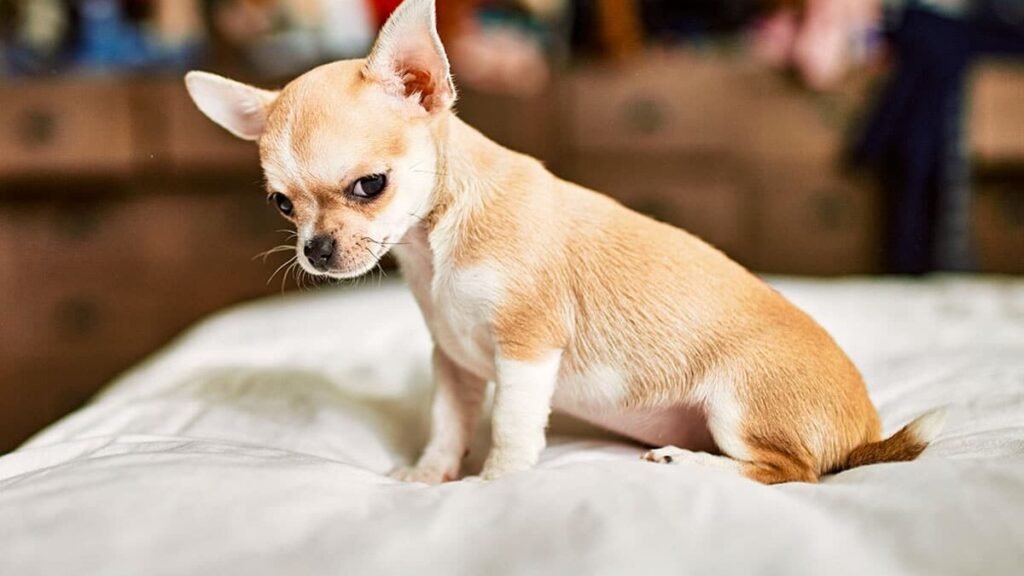
Chihuahuas, often seen nestled in laps, actually have a lineage that stretches back to the wild heart of North America. Recent genetic research has revealed shared DNA segments between Chihuahuas and coyotes, adding an intriguing layer to the narrative of one of the globe’s smallest dog breeds. This finding does not imply that the modern Chihuahua is merely part coyote; rather, it highlights ancient genetic ties that have persisted through generations, providing insights into the complex ancestry of dogs that roamed the Americas long before contemporary breeds emerged.

The findings were published in Nature Communications, as part of research focusing on innovative techniques for exploring ancestry via DNA analysis. Researchers deployed advanced software tools, Gnomix and Gnofix, to scrutinize genomic data and trace the origins of various segments of an animal’s genetic makeup.
DNA serves as a biological ledger passed down through generations. Over extensive periods, factors such as mutations, interbreeding, and population dynamics leave identifiable patterns, enabling scientists to piece together segments of an animal’s evolutionary narrative.
However, deciphering this history is inherently complex. Modern computational technology allows for the comparison of vast amounts of genetic data, revealing ancestry signals that might otherwise go unnoticed.
Uncovering the Wild Heritage in Chihuahua DNA
Utilizing Gnomix, the researchers analyzed complete genome sequences from canids and examined hundreds of dog genomes. Their efforts uncovered genetic segments in Chihuahuas classified as having coyote ancestry, presenting evidence of ancient genetic mixing between coyotes and dogs in the Americas.
This discovery is part of a broader context concerning the dogs of the New World. Long before European breeds became prevalent in the Americas, Indigenous populations coexisted with their own dog breeds.

Previous research has indicated that coyotes and dogs were sometimes interbred in pre-Columbian societies. The latest analysis identified shared genomic segments between coyotes and Chihuahuas, a breed closely tied to Mexico and the Americas.
Researchers also studied the Xoloitzcuintli, commonly referred to as the Xolo, another ancient breed from Mexico. Gnomix detected Arctic ancestry segments comprising about 4.03 percent of the Xolo genome assessed in the research. Given that ancient Native American dogs share genetic traits with Arctic breeds, researchers hypothesize that these segments may represent lineage inherited from pre-Columbian dogs.
The team estimated that the mixture of European and pre-Columbian dog ancestry in the Xolo occurred approximately 306 years ago, around 1703, though this estimate pertains specifically to the ancestry pattern analyzed in the Xolo.
Regarding the Chihuahua, the study offers proof of coyote-related genetic heritage but does not clarify the timing or reasons behind this genetic exchange. It remains uncertain whether humans intentionally bred dogs with coyotes or if such interbreeding happened organically, as genomic evidence alone does not provide definitive answers. This ambiguity adds an extra layer of intrigue to the Chihuahua’s lineage.
Those familiar with the breed might be inclined to associate its large ears, expressive barks, and famously bold demeanor with a wild ancestor. While Chihuahuas certainly exhibit behaviors that suggest they are larger than their size, genetics does not conclusively indicate that these traits originated from coyotes.
Their diminutive stature likely results from generations of selective breeding for smaller size rather than any ancient ties to wild canids.

What this research uncovers goes beyond a simple explanation for the Chihuahua’s unique personality. Embedded within the genetic makeup of this tiny companion lies traces of a much older canine legacy, sculpted by the interaction of dogs, humans, and wild canids across the Americas.
While today’s Chihuahuas may prefer to snuggle under a blanket or assertively patrol the living room, their DNA holds remnants of a narrative that began long before they became one of the world’s most recognizable little dogs.
This content was created with AI assistance and edited by the iHeartDogs team.