Veterinarian’s Unique Approach Saves Starving Shelter Dog
When animals in shelters refuse to eat, their survival can be at stake. Fear often serves as a significant barrier between traumatized pets and their meals. One veterinarian’s empathetic method illustrates how sharing food can rebuild trust and change lives forever.
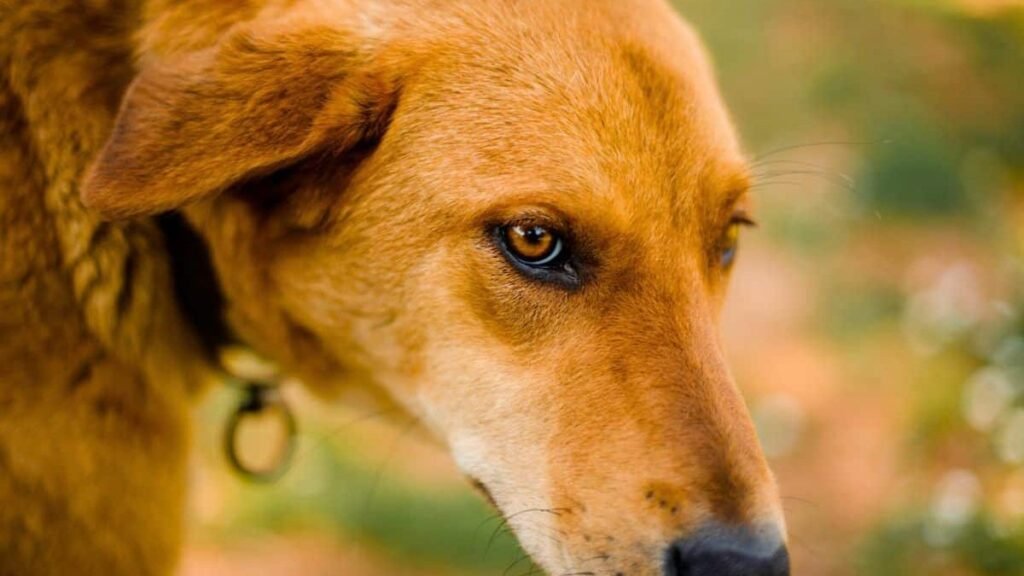
Animal shelters frequently encounter dogs whose traumatic backgrounds hinder their ability to eat. Dr. Andy Mathis faced this very dilemma with Graycie, a stray dog whose overwhelming fear kept her from touching food. His unconventional approach involved dining alongside the terrified animal, resulting in an extraordinary bond that transformed both of their lives.
A terrified dog’s refusal to eat
Graycie arrived at the shelter bearing invisible scars from her life on the streets. While the rescue organization saved her from dire conditions, her newfound safety didn’t immediately lead to comfort. She cowered in a corner of her kennel, trembling whenever staff approached with food.
Her refusal to eat raised significant health concerns. Days went by without Graycie touching her meals, despite the staff’s numerous efforts to encourage her to eat. Traditional feeding methods failed to breach the wall of fear she had constructed around herself. It was clear that innovative thinking was required from someone with a profound understanding of animal behavior.
Dr. Mathis closely observed Graycie’s behavioral patterns and recognized the signs of deep trauma. Her body language communicated volumes about her past experiences with humans. The veterinarian understood that conventional feeding methods would not suffice in this case; he first needed to establish trust before addressing her nutritional needs.
Sharing meals to foster trust
The veterinarian’s solution defied conventional norms of animal care. He chose to sit inside Graycie’s kennel and eat from his own bowl while she watched. “I just said: ‘I’m going to sit here and encourage you to eat the food with me,’” he explained in a video interview.
This method showcased vulnerability and equality. By positioning himself at her level and sharing the feeding experience, Dr. Mathis communicated to Graycie that eating was a safe activity. Initially, hand-feeding became essential, as the dog remained hesitant to approach her bowl on her own.
Progress came slowly but surely. First, Graycie sniffed the food while observing her human companion eat. Then, she cautiously took small bites from his hand. Ultimately, she began eating independently for the first time since her arrival at the shelter. The shared dining experience achieved what traditional methods could not.
Recovery and remarkable transformation
Within five days of Dr. Mathis’s intervention, Graycie’s appetite returned consistently. Her weight increased steadily, alleviating concerns about her physical condition. More significantly, her personality began to emerge as her fear lessened. The following changes were evident during her recovery:
- Increased engagement with shelter staff
- Willingness to leave her kennel for walks
- Playful interactions with toys
- Tail wagging when Dr. Mathis approached
Her transformation amazed everyone at the facility. The once cowering, fearful dog gradually unveiled her true nature as a loving and energetic companion. Staff members observed daily improvements in her confidence and social skills.
A lasting family bond
Dr. Mathis’s dedication went beyond his professional responsibilities. Acknowledging the special bond they had formed, he chose to adopt Graycie permanently. She became part of his family and thrived in her new surroundings, exuding the joy and vitality that her fear had previously suppressed.
To honor their unique beginning, the veterinarian upholds an annual tradition. Each adoption anniversary, he returns to the shelter to share a meal with Graycie, recreating the pivotal moment that saved her life. This ritual not only celebrates her recovery but also highlights the significance of compassion in animal care.
Graycie’s journey exemplifies how a deep understanding of animal psychology can help overcome seemingly insurmountable challenges. Her veterinarian’s willingness to think outside the box and exhibit vulnerability fostered the trust necessary for her healing. Today, she flourishes as a cherished family member, a testament to the transformative power of patience and love in nurturing even the most traumatized animals into happy, healthy companions.