
Avoid This One Phrase When Saying Goodbye to Your Pet
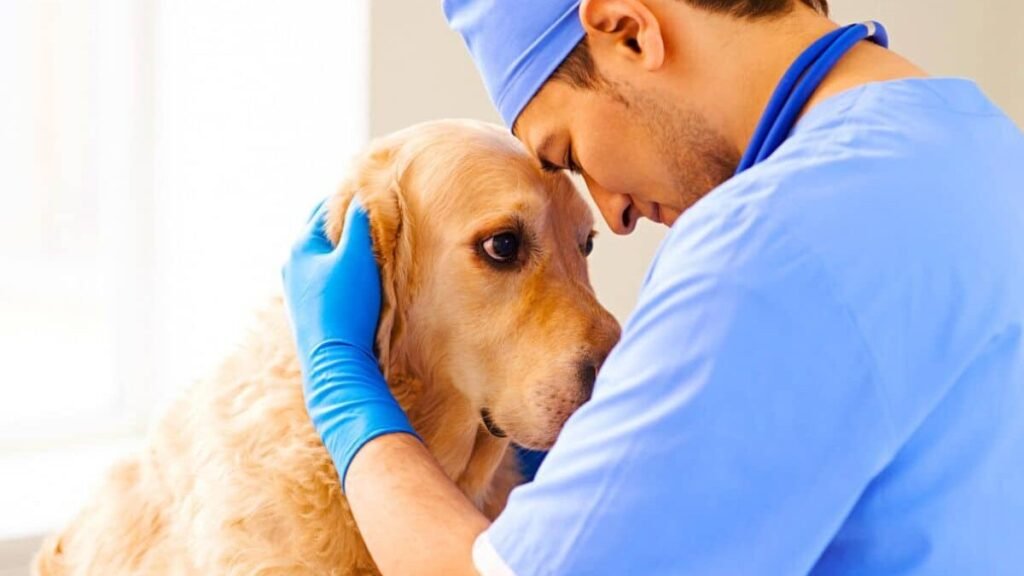
Veterinary experts confront heartbreaking farewells each day, observing the final exchanges pet owners have with their cherished companions. Recent revelations from animal care professionals indicate that specific phrases used during euthanasia can carry profound emotional implications. Recognizing which words to steer clear of in these precious last moments could significantly change how we bid farewell to our beloved four-legged family members. These insights challenge prevailing assumptions about comforting pets in their final hours.
The concluding moments shared between a pet owner and their ailing companion rank among life’s most emotionally charged events. Veterinary specialists focused on end-of-life care are now sharing their insights regarding the language used during these intimate goodbyes. Their observations illuminate how seemingly harmless phrases can have unintended effects on both grieving owners and their pets.
Why Last Words Matter in Pet Euthanasia
Faith Banks, a veterinarian specializing in palliative care for animals, recently conveyed her professional observations via social media, reaching an audience of over 42,000 viewers. Her message underscores that animals are incredibly sensitive beings even in their final moments, capable of picking up on emotional subtleties in human voices and behavior.
This concept draws from research on end-of-life experiences in humans, where the last spoken words leave lasting impacts on both the dying individual and their loved ones. Banks cites literature addressing deathbed confessions, suggesting that final words carry a significance that transcends their literal interpretation. While animals may not grasp complex language, they are responsive to vocal tones, emotional energy, and the surrounding atmosphere.
Veterinary professionals frequently witness these poignant moments, developing a heightened awareness of how different phrases influence the euthanasia experience. They observe that certain expressions can either provide solace or inadvertently heighten anxiety for both pets and their families. This professional insight serves as invaluable guidance for pet owners grappling with these challenging decisions.
The Phrase Veterinarians Wish They Hadn’t Heard
Among the myriad expressions often spoken during pet euthanasia, one phrase consistently troubles veterinary professionals: “I’m sorry.” Although owners typically express this with loving intent, Banks elucidates why these words raise concerns among animal care specialists.
This apology often stems from misplaced guilt rather than any real wrongdoing. Dedicated pet owners who have provided exceptional care throughout their animal’s life should not feel compelled to apologize for making compassionate end-of-life choices. Banks notes that families who say “I’m sorry” often believe they have somehow let their pet down, when, in fact, the opposite is true.
Such guilt-laden language can turn what should be a serene farewell into a more emotionally taxing experience. Rather than reflecting on the gratitude for the years spent together or expressing love, the apology diverts focus onto perceived failings. Veterinarians recognize that these owners typically did everything possible to ensure excellent care, making their self-reproach especially heartbreaking to witness.
Positive Alternatives for Farewell Moments
Veterinary professionals advocate for focusing on expressions of love and gratitude during these invaluable final moments. These alternatives foster a more tranquil atmosphere while honoring the bond shared between humans and animals over years of companionship.
Effective farewell phrases include:
- “I love you so much”
- “Thank you for everything”
- “You’ve been wonderful”
- “You can rest now”
- “I’m here with you”
These expressions prioritize appreciation over regret, cultivating a calmer emotional environment. Some families opt to share cherished memories, mention favorite places, or make gentle promises to remember their pet. The essential strategy involves steering clear of language that implies failure or wrongdoing.
Veterinarians also highlight that recalling specific memories can provide comfort, such as reminiscing about favorite games, special treats, or beloved routines. This method celebrates the relationship while offering peaceful closure for both human and animal participants in these challenging moments.
Moving Forward After Losing a Pet
The grieving process following pet euthanasia often extends well beyond the veterinary clinic. How we frame these final interactions can profoundly influence long-term healing and memory formation. Avoiding guilt-ridden language during the farewell may facilitate healthier processes of grief in the aftermath.
The loss of a pet signifies a deep emotional experience, with empty food bowls and silent homes serving as constant reminders of absence. However, concentrating on love and gratitude during these final moments can help foster positive lasting memories instead of regretful recollections. This approach honors the joy pets bring into our lives while acknowledging the natural sorrow of separation.
By understanding these professional insights, pet owners are empowered to approach euthanasia decisions with enhanced confidence and emotional clarity, transforming potential regret into meaningful closure.