
Essential Dog CPR: Save Your Pup’s Life with This Guide
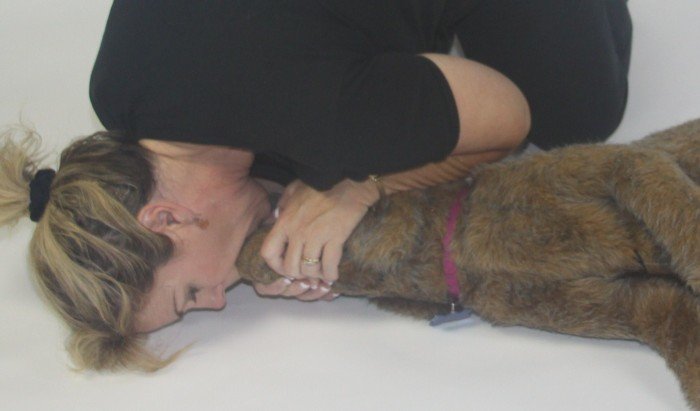
When emergencies arise, understanding how to administer dog CPR can significantly enhance your furry friend’s chances of survival. Unfortunately, many pet owners don’t prioritize learning essential first aid or CPR techniques for their dogs.
In this article, we explore insights from a pet safety expert and provide a comprehensive step-by-step guide to performing dog CPR, complete with illustrative photographs.
Understanding Dog CPR and First Aid
Denise Fleck, the founder of Sunny-dog Ink, has been conducting pet first aid courses for over 15 years and is the creator of specialized Pet First-Aid & CPCR Kits and Classes. We consulted her to share insights that could potentially save the lives of our canine companions.
How Frequent Are Pet Emergencies?
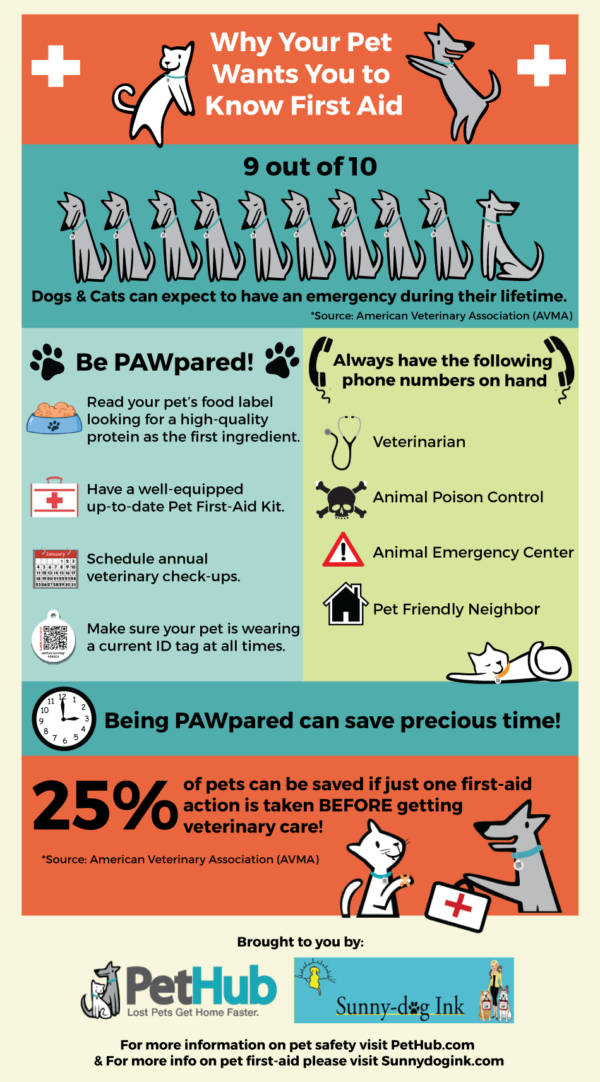
DF: Preventable accidents are the primary cause of fatalities among pets. The American Veterinary Association (AVMA) reports that 90% of dogs and cats will face an emergency at some point in their lives. Are you prepared to assist? The encouraging fact is that 25% more animals can be saved if first aid is administered before reaching the veterinarian (according to the American Animal Hospital Association AAHA). This means that while a skilled veterinarian is indispensable, knowing Pet First-Aid & CPR can keep your dog or cat alive until you secure professional medical assistance.
Benefits of Knowing Dog CPR & First Aid
- Reduce your dog’s body temperature in cases of heat stroke, preventing potential brain damage or death.
- Effectively stop bleeding and prevent infection by applying proper bandaging techniques (recognizing critical arterial pressure points can be lifesaving).
- Prevent your dog from losing consciousness by addressing choking incidents.
- Induce vomiting to expel toxins from your pet’s system safely.
- Maintain circulation by performing heart compressions until veterinary help arrives.
While Pet First-Aid should never replace professional veterinary care, prompt action when an injury occurs, followed by immediate professional assistance, can be crucial in saving your pet’s life. Collaboration with your veterinarian is essential for your dog’s health.
Can Human CPR Techniques Be Applied to Dogs?
DF: Even if you have completed a human first aid and CPR course, it’s important to recognize that the anatomy of humans differs significantly from that of canines and felines. While the principles are similar, the techniques vary, and communication between species is not possible. For instance, we cannot simply ask our dog, “What’s wrong?”
Moreover, human first aid courses do not train you on how to handle a situation where your patient might bite you! A Pet First-Aid Class covers animal body language, muzzling, restraining, and safely transporting a pet in distress. I dedicate substantial time to teaching various bandaging methods in my classes, as dog ears and tails often require unique solutions. Additionally, since pack animals frequently hide injuries, developing detective skills is vital, making pet-specific training indispensable for responsible pet owners and caregivers. One of my students aptly stated, “The last thing you want is to regret not taking Denise Fleck’s Pet First-Aid & CPR Class.”
What Exactly Are Dog CPR and CPCR?
DF: Cardiopulmonary Resuscitation (CPR) is the most recognized method of artificial life support for pets and will likely remain the standard term for this technique. However, advancements in research have introduced a more efficient method known as Cardiopulmonary Cerebral Resuscitation (CPCR). Both methods involve a combination of chest compressions and artificial breaths; however, CPCR emphasizes continuous chest compressions to ensure vital blood and oxygen flow to the brain and other organs.
By maintaining momentum (30 compressions followed by breaths, as opposed to the previous 15), and utilizing a spleen or abdominal push with larger dogs and an additional helper can be beneficial.
*It’s essential to understand that performing CPR does not cure poisoning, halt internal bleeding, or eliminate diseases. However, acting as the pump that the pet’s body cannot be at that moment keeps blood and oxygen circulating until you can reach a professional who can provide the necessary antidote, perform surgery, or potentially cure the ailment.
How to Perform CPCR on Dogs
DF: The best way to learn CPCR is in a classroom setting, where you can benefit from demonstrations and hands-on practice with realistic canine mannequins. Practicing under the guidance of a qualified instructor is crucial before attempting this on a distressed pet. Aim for a rhythm of over 100 compressions per minute, performing at a ratio of 30 chest compressions to 2 breaths, and re-checking the pulse every four cycles.
Step-By-Step Guide to Dog CPCR
1. Position the dog on a flat surface on its side, slightly extending its head by pulling back on the chin to open the throat/trachea. This not only straightens the airway but also reduces the likelihood of forcing air into the stomach instead of the lungs.
2. Gently bend the dog’s front leg at the elbow and bring it towards the chest. This should be a soft movement at the elbow joint. The area where the elbow touches the chest is the ideal spot for placing your hands for compressions.

3. Apply compressions that are approximately one-third the width of the chest. You should feel the ribs before compressing the lung, which effectively creates circulation.
*When delivering breaths, use one or two hands to close the mouth and breathe directly into the dog’s nostrils. For puppies, use a gentle puff of breath, and NEVER perform CPCR or rescue breathing on a conscious animal!
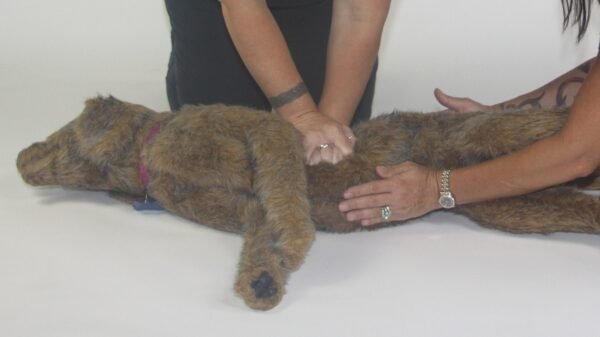
4. It is crucial to initiate CPCR promptly, ideally within four minutes of the heart stopping, to prevent brain damage. Rapidly transport the pet to the nearest animal emergency facility or veterinary hospital.

Be aware that you may not immediately restore the dog’s breathing or heartbeat and may need to continue CPCR while someone else drives. Do not cease administering CPCR until the dog shows signs of recovery or until a veterinary professional can take over.
Fleck emphasizes that various factors, including the dog’s size and age (such as neonates), as well as a two-person technique for larger dogs, are essential considerations. More specific details can be learned in her classes and resources.
Additional Resources
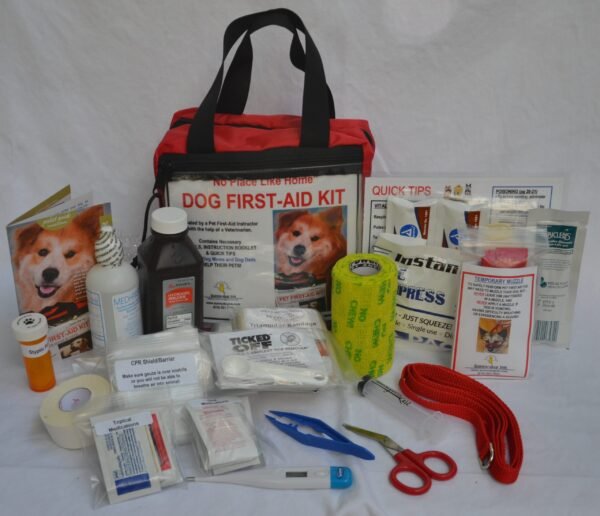
Interested in Fleck’s instructional materials and classes? Her posters, which provide step-by-step guidance for performing the doggie Heimlich maneuver and CPCR, can be located here. Additionally, she offers Dog & Cat First Aid & CPR pocket guides available here.
Ultimately, enrolling in one of her classes is the best way to master these life-saving techniques. Check her schedule here.