
Essential Water Safety Tips for Dogs This Summer
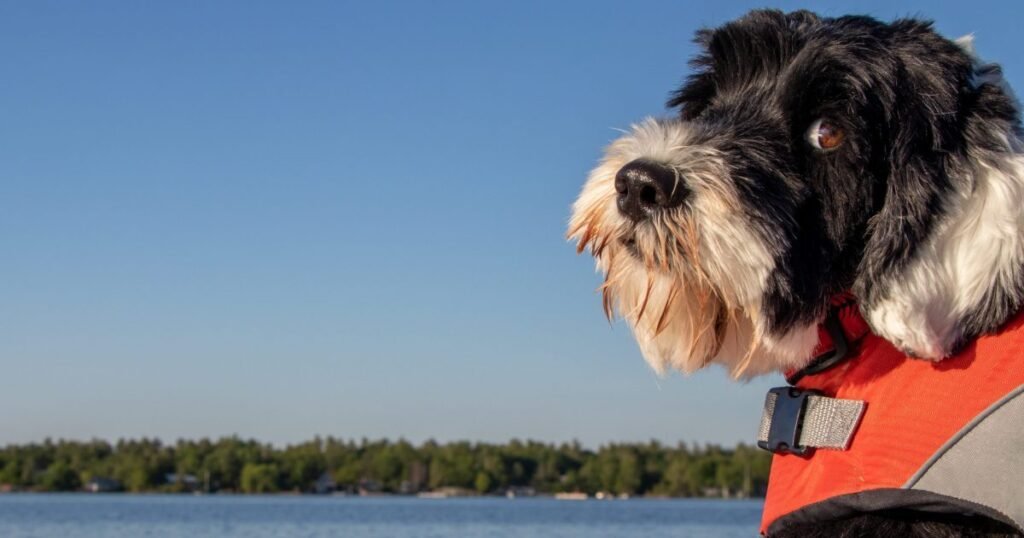
As summer approaches and you prepare to enjoy the nearest body of water—be it a pool, lake, creek, or ocean—ensure your dog’s enjoyment does not lead to unfortunate incidents by implementing these expert-recommended safety measures.
Dr. Denise Petryk, the director of veterinary services at Trupanion, provides a comprehensive list of crucial safety tips to help pet owners keep their dogs secure while swimming or lounging by the water:
- Monitor: Always be aware of your pet’s location and activities.
- Pool Safety: Ensure your pets can exit the pool easily.
- Rinse: Prevent salt or pool chemicals from drying on your dog’s fur.
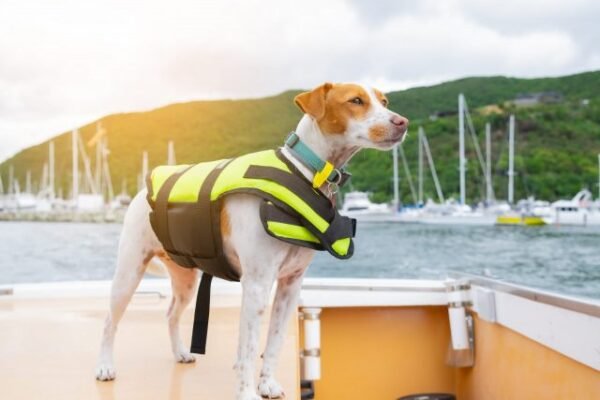
- Life Jackets: Select a well-fitting, buoyant life jacket in bright colors for easy visibility.
- Breaks: Swimming can be tiring! Allow your pet regular breaks and provide fresh water.
- Hydration: Avoid letting your dog drink from lakes, rivers, pools, or oceans.
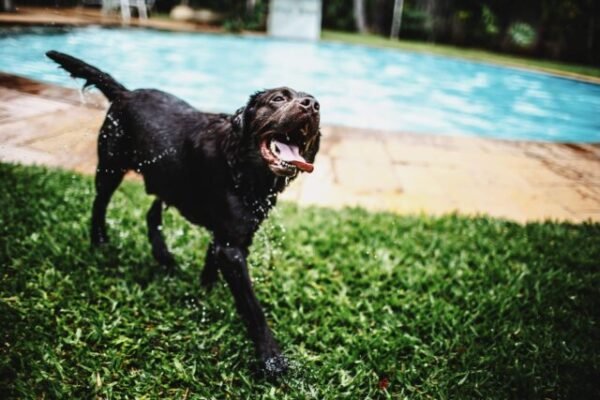
While these tips are an excellent starting point, let’s delve into additional water-related hazards that your dog may face this summer.
Contaminated Water
Water can harbor bacteria, pollutants, and potentially harmful algae. If you wouldn’t swim in it, your dog shouldn’t either. Consider carrying water testing kits to check for contaminants, but it’s best to research and choose locations known for their clean water.
Related: 10 Best Underground Dog Fences
Sun Exposure Risks
According to Kimberly Brenowitz, a master dog trainer and owner of Animal Deserves Better Training in Georgia, swimming can lead to excessive sun exposure, which poses heat risks to pets, much like it does for humans.
Be vigilant for signs of overheating in your dog:
- Excessive panting
- Disorientation
- Rapid, labored breathing
- Collapsing or convulsions
- Bright red or blue gums
- Vomiting
- Diarrhea

Hypothermia Concerns
Even in high temperatures, mountain lakes and streams can be icy cold, which may lead to hypothermia, particularly in younger or older dogs. Watch for these symptoms:
- Lethargy
- Shivering
- Slow heart rate
- Dilated pupils
- Cold extremities (tail, ears, scrotum, and foot pads)
- Unresponsiveness
Electrocution and Drowning Hazards
Elizabeth Avery, founder of a travel agency focused on solo trips, has extensive experience traveling with her seven dogs, including her sheepdog who often accompanies her sailing. She observes that even dogs averse to water may attempt to jump in after their owners.
“Dogs tend to follow their humans everywhere, which poses a real risk, especially in harbors with electrical setups that could electrocute a dog that falls overboard,” she warns.
When leaving your boat—whether at the dock or while swimming—secure your dog properly to prevent them from jumping off independently. Keeping them in a kennel or below deck is the safest option.
This precaution also helps avert accidental drowning; if your dog jumps overboard and panics without your presence, it may lead to drowning before you realize they are missing.
Ensure your dog wears a life jacket while on the boat, kayak, or raft—even when not in the water.
 Shark Awareness
For those venturing into the ocean, shark sightings are increasingly common along coastlines. Sharks, particularly Bull Sharks, are also being spotted in freshwater, having been seen thousands of miles up the Mississippi River in Lake Michigan!
Veronica Grey, director of Worst Shark Attack Ever and an inventor of shark-repellent swimwear, shares insights on preventing your dog from becoming a shark target.
“Many believe sharks are attracted to blood in the water, but while they are sensitive to blood, erratic splashing is what truly draws them in. This mimics the movements of injured prey,” Grey notes.
“Unfortunately, your dog’s attempts to paddle in the ocean create vibrations that can attract sharks from a distance,” she adds.
“Never allow your beloved pet to swim in areas known for shark activity, regardless of the water’s depth—unprovoked shark attacks can occur in water as shallow as two feet,” Grey advises.
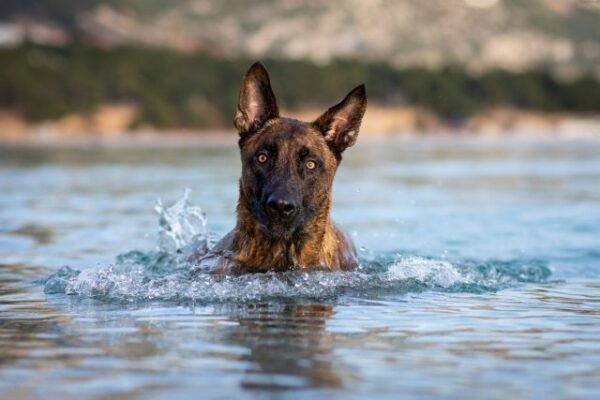
Residents in regions with alligators should also exercise extreme caution when allowing their dogs to swim in marshes, lakes, and rivers.
Importance of Canine Life Jackets
Before your dog enters the water, ensure they are outfitted with a proper canine life jacket. This is particularly crucial for breeds like bulldogs and basset hounds, which are heavy and top-heavy. Their body structure makes swimming more challenging, causing them to tire quicker than other breeds.
“For a life jacket to be effective, fit is essential. Look for an ergonomic design that complements your dog’s body type,” advises Denise Mange, a dog trainer in New York City.
How to Determine the Right Fit for a Life Jacket
“A good test for the jacket’s fit is whether your dog can walk comfortably while wearing it on land,” Mange explains. “If it restricts movement around the shoulders, it will likely hinder swimming as well.”
- There should be no more than the width of two fingers between the jacket and your dog’s body.
- Your dog shouldn’t be able to slip out of it while swimming.
- It should remain secure if you need to lift them by the jacket.
When selecting a life jacket, consider these features recommended by Mange:
“A flotation strap around the chest and under the belly provides extra buoyancy, keeping your dog in a comfortable horizontal position and conserving energy while swimming.”
“A sturdy handle along your dog’s spine between the shoulder blades is crucial for safely lifting your pup out of the water. A well-placed handle ensures their head comes out first, lifting by the strongest part of their body—the ribcage. Testing this while on land helps acclimate your dog to the experience of being lifted by their life jacket.”
Additional features to consider in a canine life jacket:
- Does it release easily if caught on something?
- Bright colors for visibility (reflective strips are even better!).
Additional Essential Gear
Denise Mange suggests the following accessories to enhance your and your dog’s summer experience:
Doggy Backpack
A doggy backpack allows your pet to carry their own water bowl, snacks, and other essentials.
Booties
Though often thought of as winter gear, booties can protect your dog’s paws from hot pavement, sand, sharp rocks, and even the floor of your boat. How can you tell if a surface is too hot?
“An effective test is to place the back of your hand against the ground for five seconds,” Mange suggests. “If it’s too hot for your hand, it’s too hot for your dog’s paws.”
Water & Travel Bowl
Ensure your dog stays hydrated with clean water, as emphasized by Dr. Petryk. (Remember, open water isn’t always clean!) Be proactive and pack your own water.
If you forget a bowl, a clean doggy bag can serve as a temporary water vessel!